EQUIPMENT GUIDE
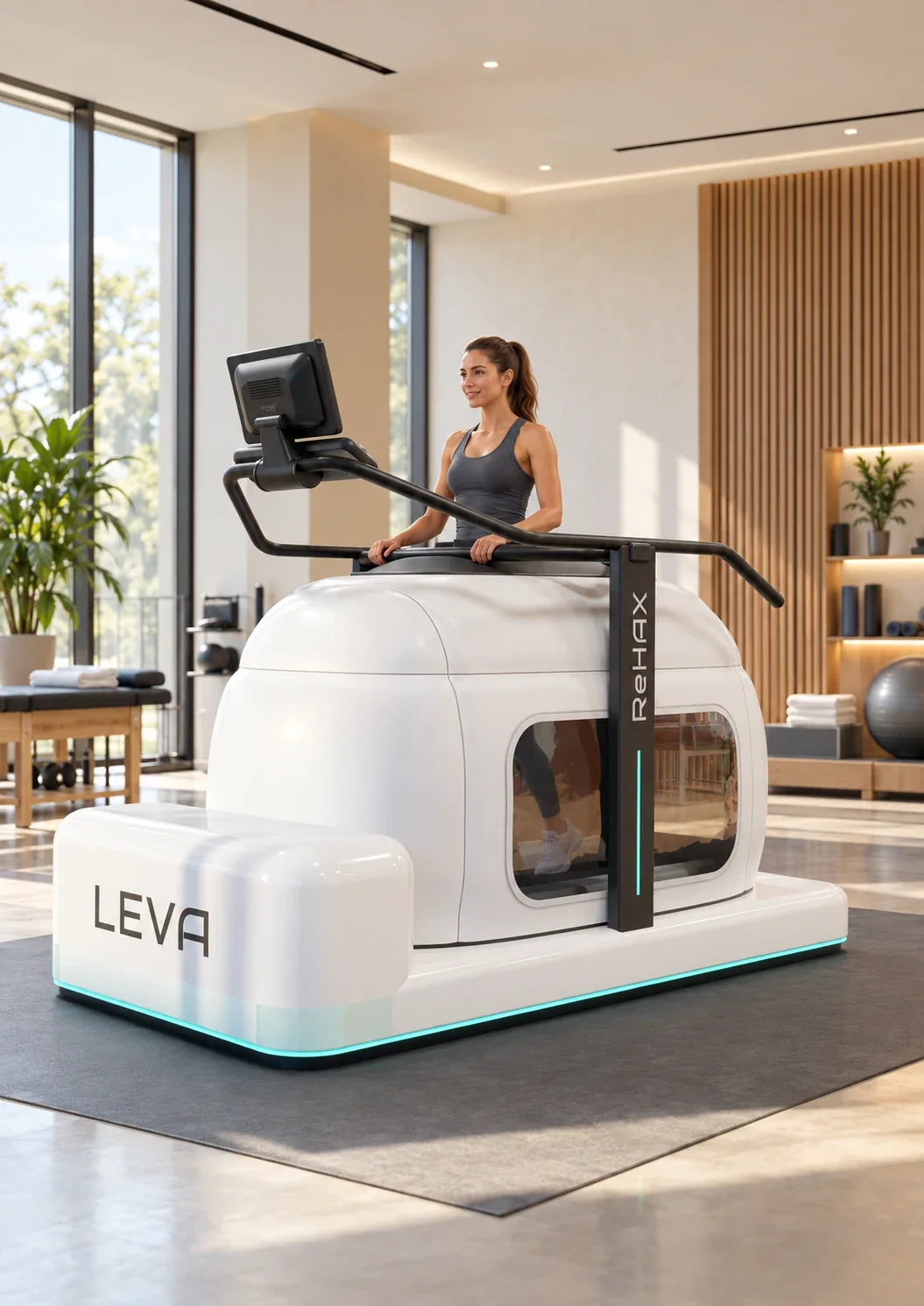
Anti-gravity treadmills in India: cost and alternatives
Compare air-pressure support, patient access and the cost of a LEVA installation.
Read the guide →REHAX / KNOWLEDGE CENTRE
Guides to rehabilitation equipment, clinical evidence and setting up a centre in India.
Browse all articles ↓Compare air-pressure support, patient access and the cost of a LEVA installation.
Read the guide →67 articles on equipment, research and centre planning
Decide who you will admit before deciding what to buy. Your patient group determines the medical cover, nursing, therapy space and equipment the centre needs.
Read articleStart with the services your clinicians will deliver. A physiotherapy clinic and an interventional pain service need different facilities, staff and equipment.
Read articleUse collected revenue, additional operating costs and realistic session capacity to calculate payback. The purchase price alone cannot tell you whether a machine will earn its cost back.
Read articleCompare the exact models on the same clinical task. Then check the research, patient access, Indian service support and cost of ownership.
Read article
Peripheral magnetic stimulation acts on nerves and muscles outside the brain. Its clinical evidence depends on the condition and pulse method; a PEMF study cannot automatically support an rPMS claim.
Read article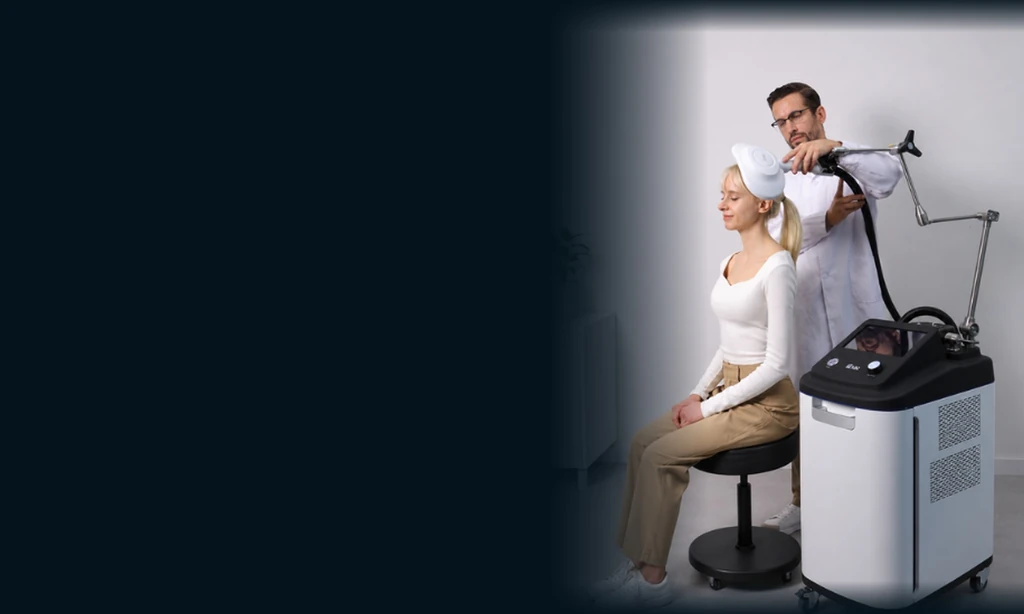
TMS uses magnetic pulses to stimulate the brain. The indication, target and protocol matter, so a treatment schedule should come from a qualified specialist rather than a generic frequency chart.
Read articleRadial pressure wave systems are often sold under the shockwave name. Check which technology a quotation covers and whether its evidence matches the condition your clinic treats.
Read articleChoose a focused shockwave system for a defined clinical use. The focus, applicator and evidence deserve as much attention as the price.
Read articleTECAR usually refers to capacitive-resistive radiofrequency treatment. Heat and perfusion measurements help explain its effects, but they do not establish lasting pain relief or functional recovery.
Read articleWattage describes power. It does not, on its own, establish how well a laser treats a condition. Compare wavelength, delivery and clinical evidence for the proposed use.
Read articleAn anti-gravity treadmill reduces effective loading during walking or running. To compare an affordable alternative, start with the support method and patient access, then cost the complete installation.
Read article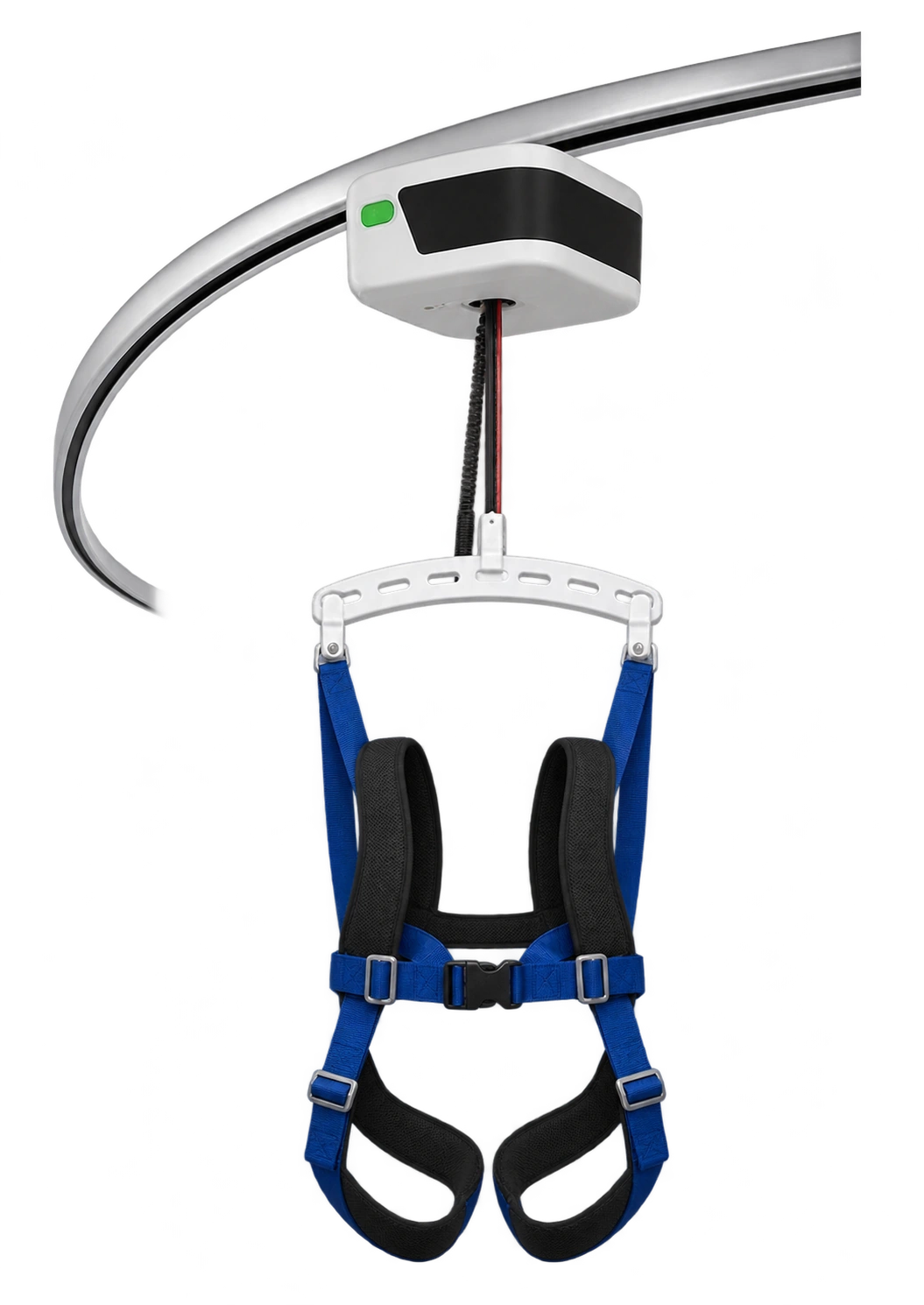
Plan an overhead support system around the activities patients will practise. Track coverage, harness fitting and transfer space determine whether the installation works for the clinical team.
Read article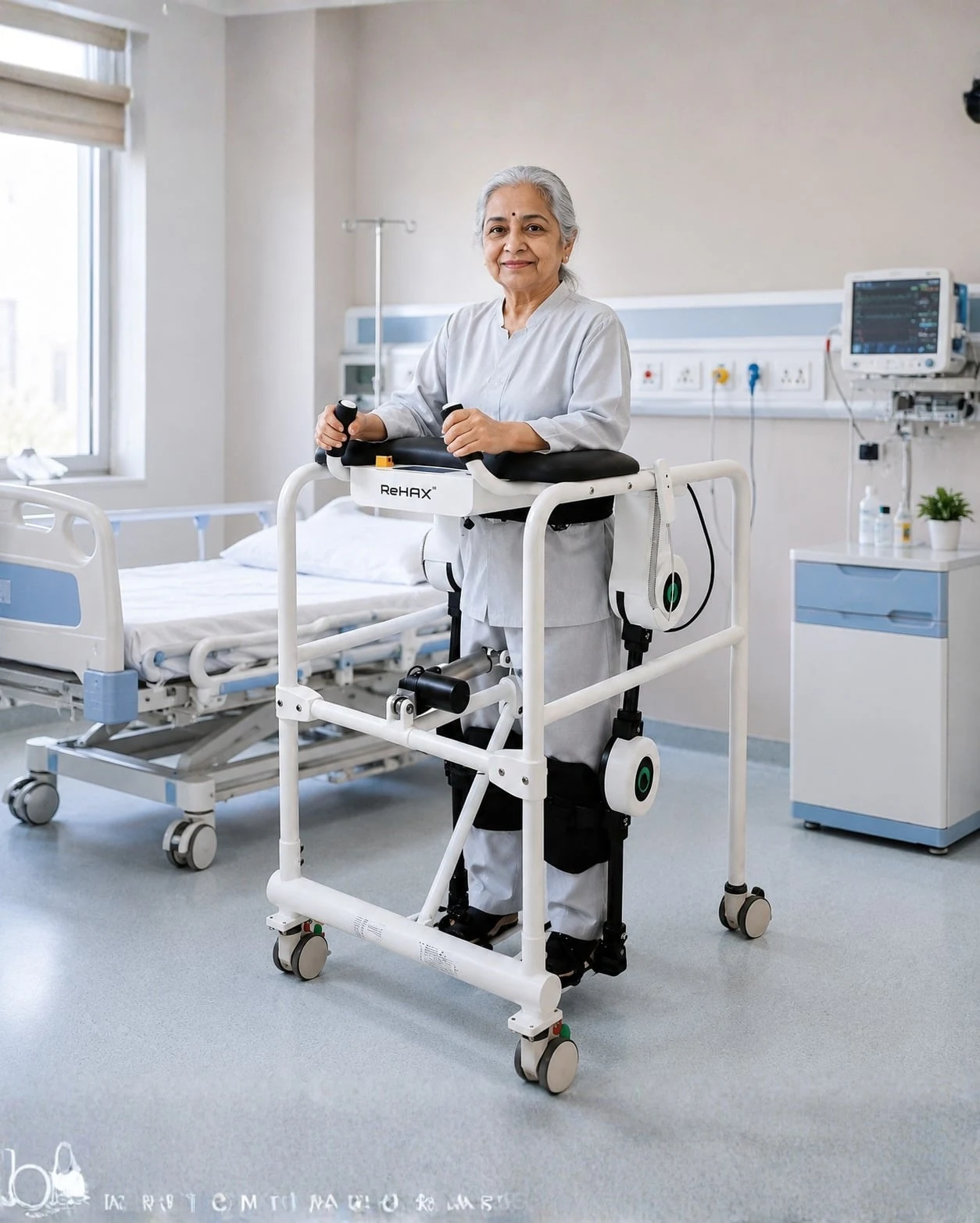
An overground robotic trainer supports stepping across the floor. Choose it around patient fit, transfers and the walking goals of the programme.
Read article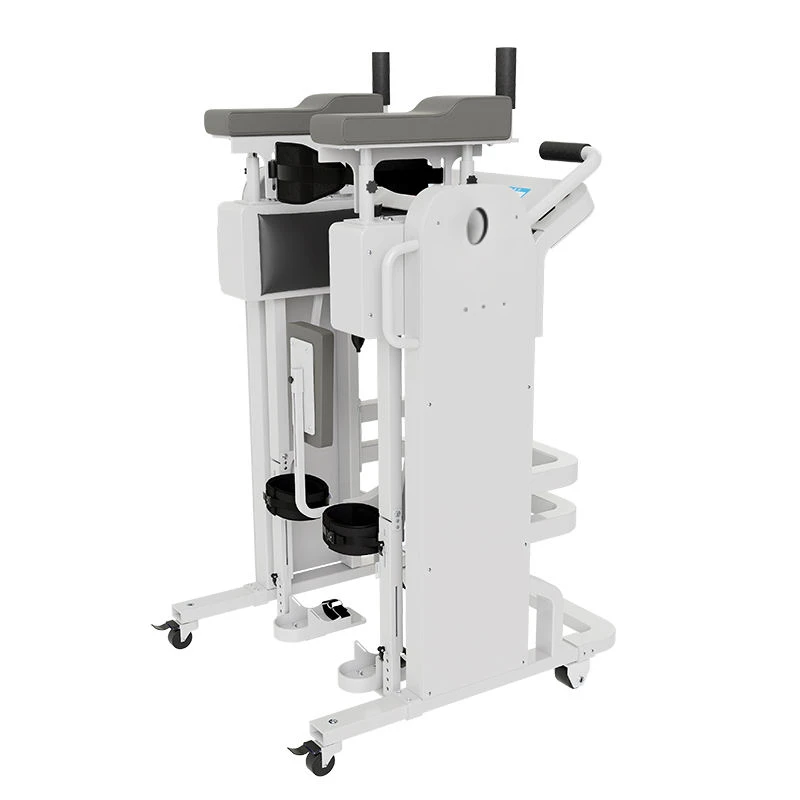
A robotic treadmill can provide repeated assisted walking practice. Its value to a centre depends on suitable referrals, trained staff and a transfer process the team can deliver consistently.
Read article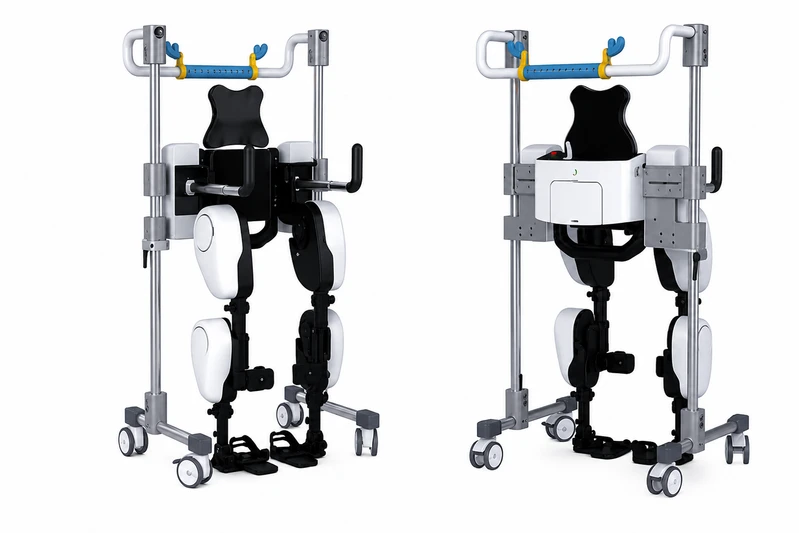
Children need a device that fits their size and a programme that fits their goals. Adult robotics evidence cannot establish outcomes for a paediatric service.
Read article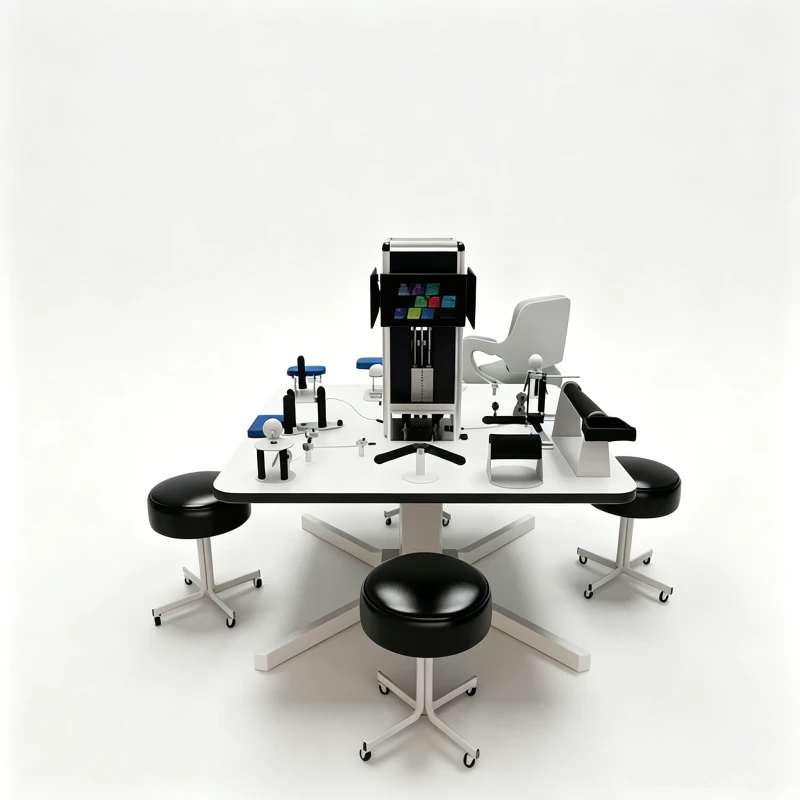
Decide which arm or hand task you need to train. Reaching, elbow movement and hand practice require different support, and a repetition count alone cannot show recovery.
Read article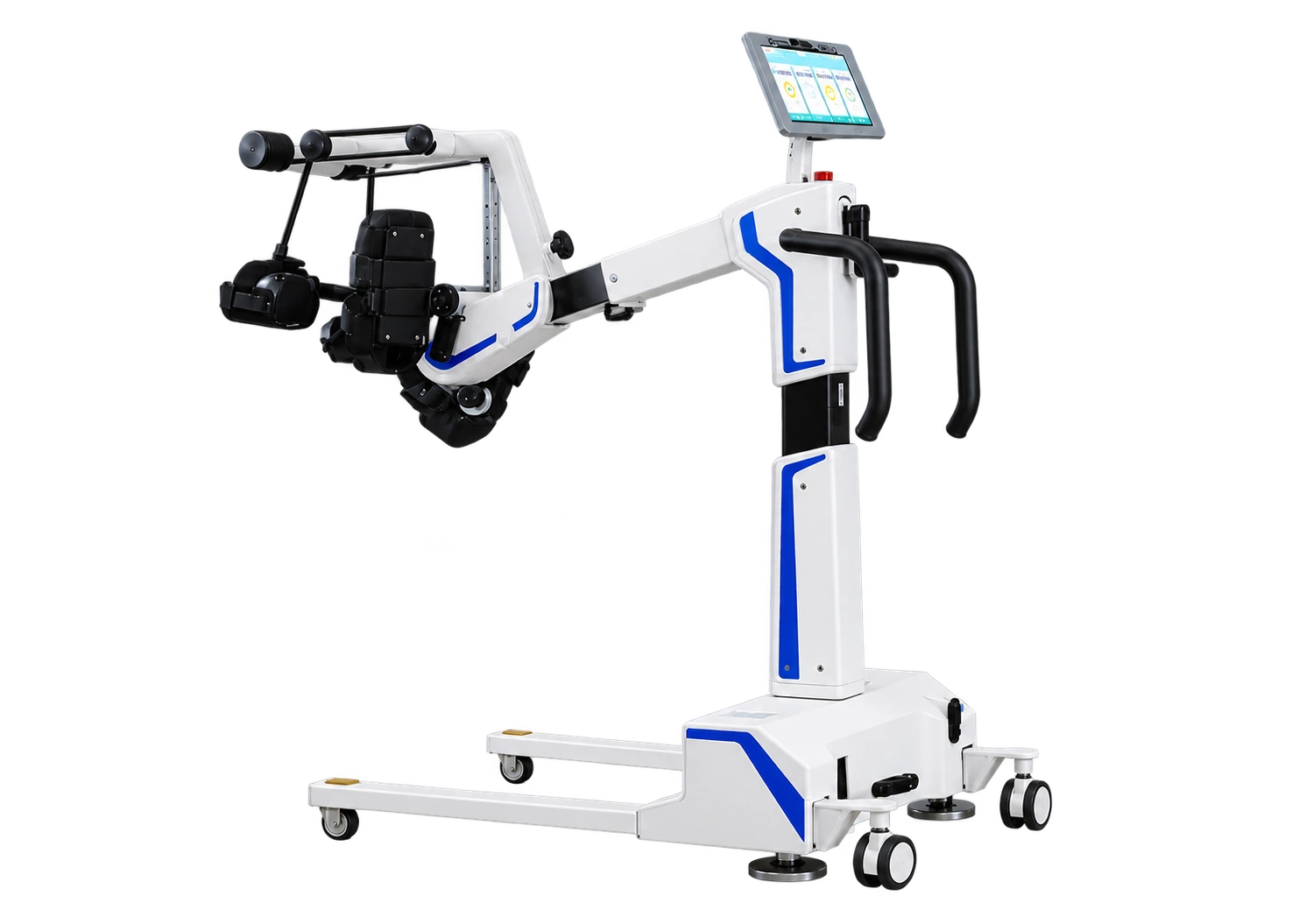
In-bed cycling is an option for selected patients under clinical supervision. An ICU service needs screening, monitoring and staff coordination before a device can be introduced.
Read article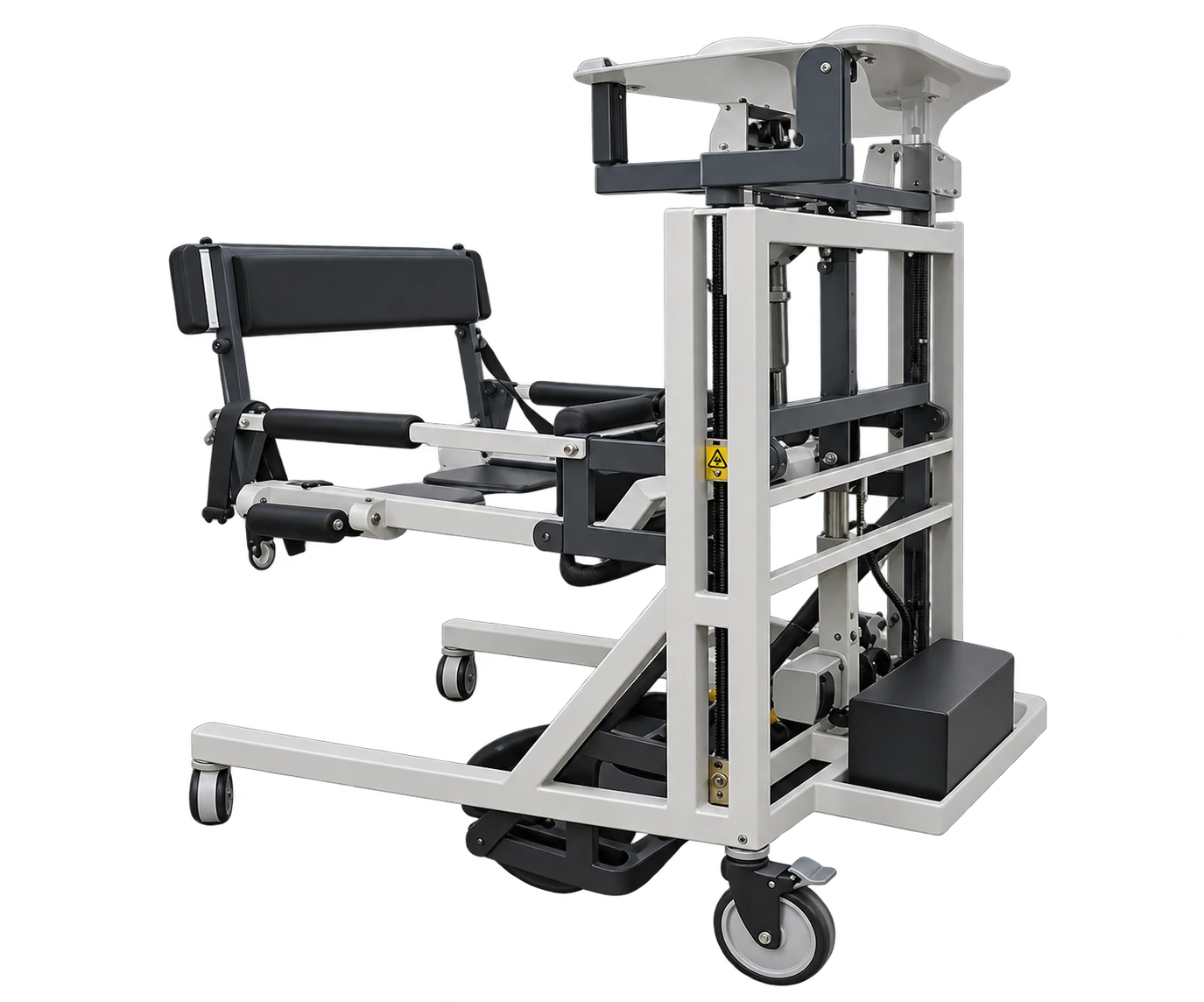
Transfer assistance and repeated sit-to-stand practice are different tasks. Check which task the equipment is intended to support and how much assistance the patient needs.
Read article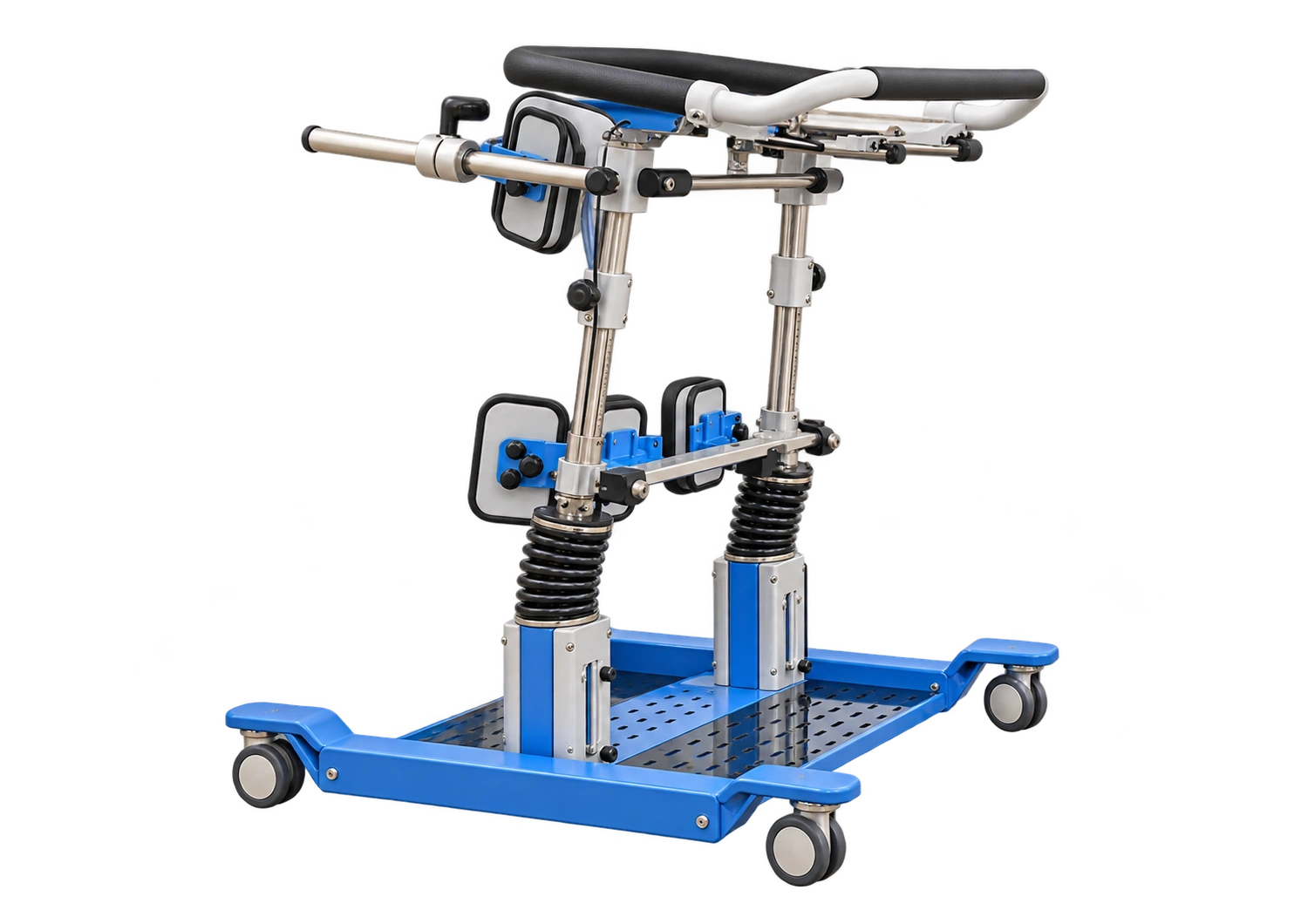
Choose a balance system for the task it trains. A game score can show familiarity with the software while leaving everyday balance unchanged.
Read article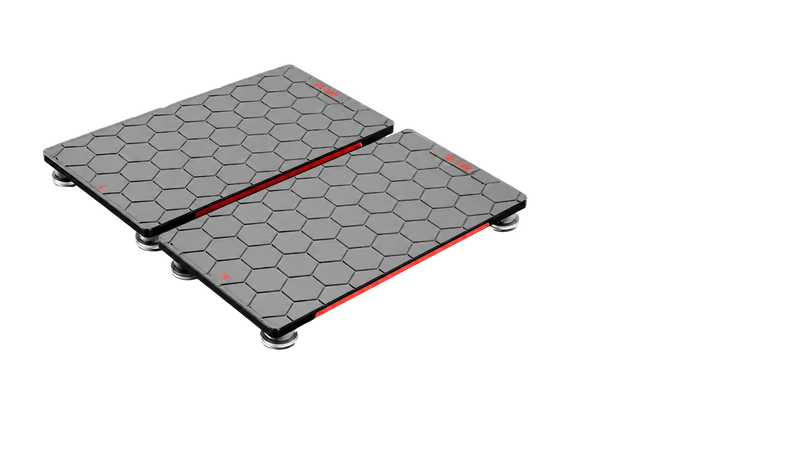
A force plate is useful when its measurements answer a clinical question. Check validation and repeatability before using dashboard metrics to make a return-to-sport decision.
Read article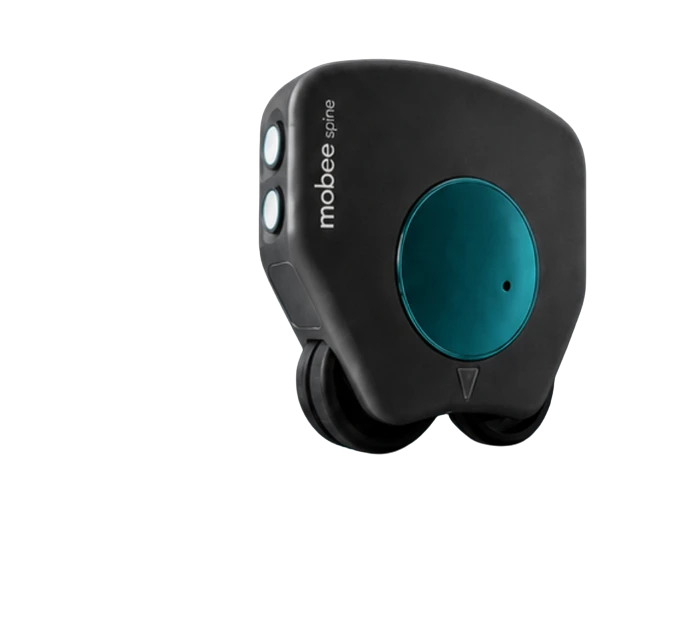
Movement sensors can support spinal assessment and follow-up. Their measurements need to be read with symptoms, function and the limits of the test.
Read article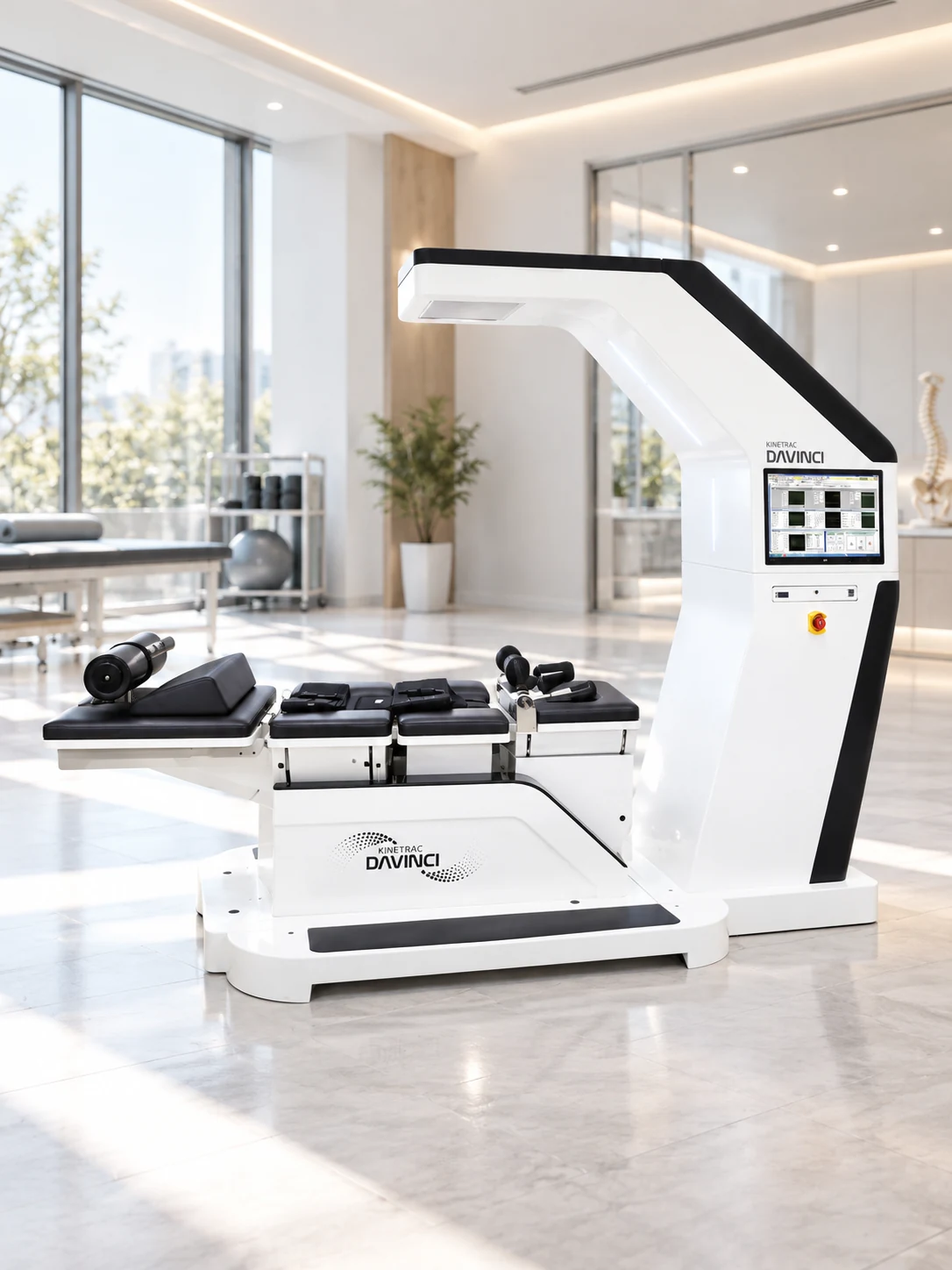
Clinical guidance and individual studies give different perspectives on traction. Read them together before making a treatment or equipment decision for back pain.
Read article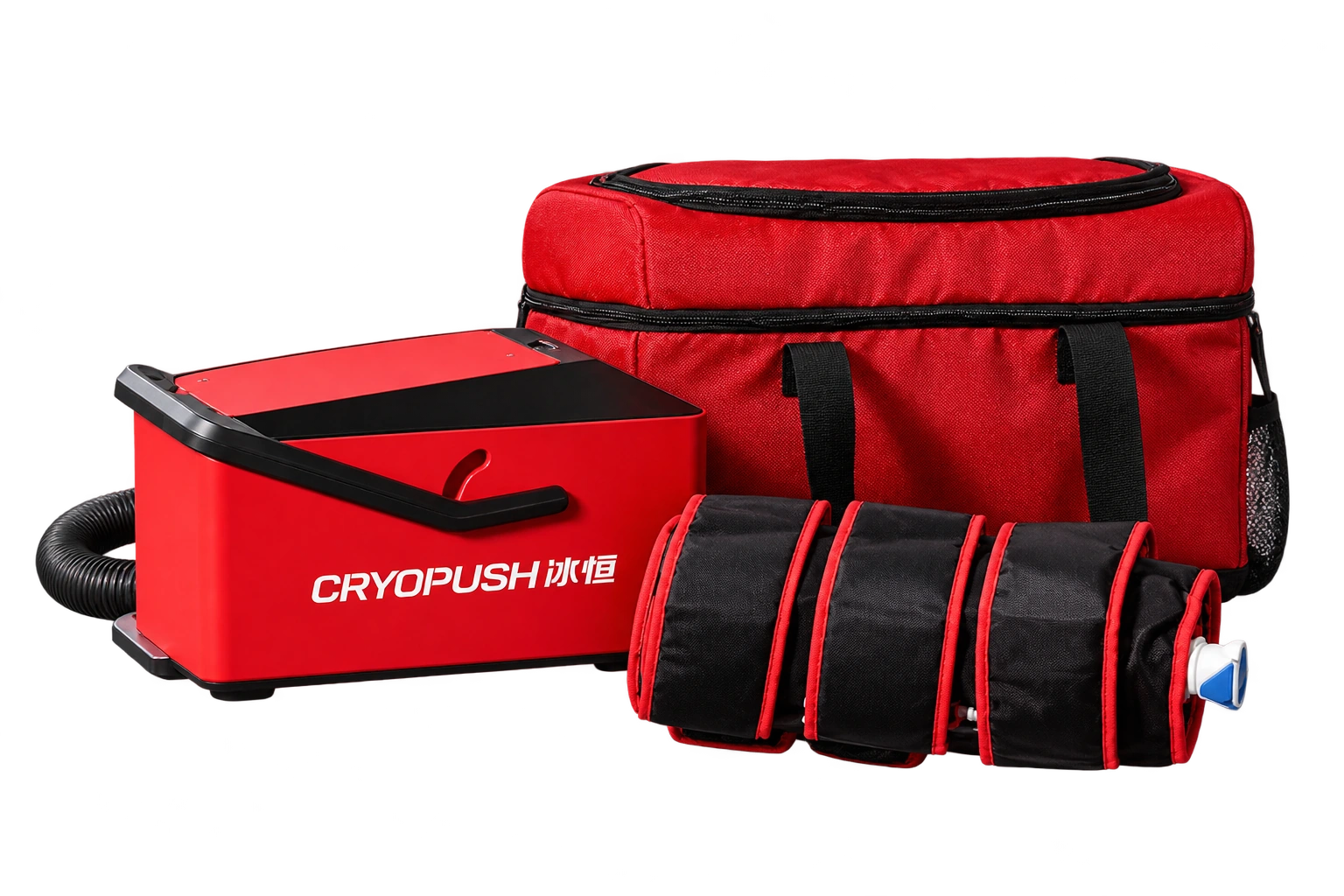
Cold packs, circulating cold systems and cold-compression devices differ in delivery and handling. A powered device needs evidence of a useful advantage for the patient and service.
Read article
A CPET service needs trained interpretation, quality checks and emergency arrangements. The metabolic cart is one part of that service.
Read articleShockwave and peripheral magnetic stimulation use different methods. Compare them for the same diagnosis and outcome before making a purchasing decision.
Read articleA useful setup estimate separates premises, fit-out, equipment and the cash needed to operate while admissions grow. Bed count alone is not enough to price the project.
Read articleBed capacity, building layout and staff cover constrain one another. Start with patient dependency and the daily care schedule, then test whether the floor plan can support them.
Read articleRegistration depends on the state, location and services offered. Confirm the applicable route before estimating government fees or treating a checklist from another centre as your own.
Read articleTesla measures magnetic field strength. It is not a direct measure of clinical benefit, and it cannot determine a treatment schedule by itself.
Read articleTMS research asks specific questions about movement, pain and other outcomes. A result for one of those outcomes does not establish general recovery after stroke or spinal cord injury.
Read articleTMS uses magnetic pulses and tDCS uses electrical current through scalp electrodes. Wireless and non-contact describe hardware features, not a treatment indication or proof of safety.
Read articleTherapeutic ultrasound uses sound energy rather than electrical stimulation or laser light. Its effect must be assessed for the condition being treated, not inferred from the mechanism alone.
Read articleElectrotherapy is a broad label. TENS is one method used for temporary pain relief; it should not be treated as the same intervention as every electrical or magnetic stimulation device.
Read articleHeat and cold may provide temporary symptom relief in different circumstances. Skin condition, sensation and circulation affect whether either is suitable.
Read articleEvidence for laser and traction separately cannot establish an added benefit from using them together. Assess the combined programme against the same diagnosis and a suitable alternative.
Read articleCryotherapy describes several different treatments. Identify the delivery method before comparing evidence, prices or safety claims.
Read articleA demonstration shows how a machine operates. Clinical research, measurement studies and doctor feedback answer different questions, so collect each for the decision it can support.
Read articleMagRex (MAG REX, also typed Mag Rex) is a ReHAX peripheral magnetic stimulation system. Here is what it does, who uses it and what to ask before buying.
Read articleHigher tesla is better, robots replace therapists, ice always helps: common rehab equipment myths, and what research and guidance actually say.
Read articleA practical physiotherapy equipment list grouped by service: assessment, exercise, pain modalities and neuro rehab, with what to buy first and what can wait.
Read articleImported premium systems can stretch a budget. Compare any rehab equipment, Indian-supplied or imported, on evidence, features, service, training and lifetime cost.
Read articleFrom bedside cycling to robotic gait training: which stroke rehabilitation equipment fits each recovery stage, and how to plan a connected neuro pathway.
Read articleA stroke, brain-injury or spinal neuro centre needs equipment for every stage, from bedside activation to independent walking. Here is the list, stage by stage.
Read articleSpinal cord injury rehabilitation needs safe transfers, standing, supported walking and long-term conditioning. This guide lists the equipment and why each item matters.
Read articleA sports rehab or sports medicine centre sells measurable return to play. Here is the equipment for testing, loading, recovery and pain care, and how to phase it.
Read articleHow much fits in 1,000, 1,500 or 2,000 square feet? A practical guide to zoning a neuro or physiotherapy rehab space and fitting the equipment in.
Read articleStarting on a tight budget? These are the essentials a rehabilitation centre needs to open safely, and the items you can add later as patients arrive.
Read articleHow to build a financial model for a neuro rehab centre: revenue lines, costs, bed bands (under 50, 50–100, over 100) and the assumptions to test before you invest.
Read articleDemand for rehabilitation in India is rising with stroke, injury and an ageing population. What decides whether a neuro rehab centre makes money, and when to invest.
Read articleA good site is near referring hospitals, easy for wheelchairs and families to reach, and has room to grow. A checklist for choosing where to open a rehab centre.
Read articleStep-down hospitals, post-operative care centres and inpatient neuro rehab all take patients after hospital. How they differ in patients, staffing and equipment.
Read articleOne ceiling rail, a treadmill and ROBO MILL in phase one. Add Robo Walker, then a second rail. How the ReHAX modular gait suite grows with your patient numbers.
Read articleEquipment pays back through use. How to estimate patients per day for gait robots, ceiling rails and magnetic stimulation, and why patient suitability matters most.
Read articleOverground or treadmill-based? Triggered by sensors, muscle signals (EMG) or brain signals (EEG)? A plain guide to the types of rehab exoskeleton and who each suits.
Read articleImported gait robots can cost more than many centres can justify. What an affordable gait trainer should still deliver, and how to compare value rather than price.
Read articleBuyers searching for Lokomat, Walkbot, RoboGait or Motorika want to know how gait robots differ. A neutral guide to comparing them, and where ReHAX systems fit.
Read articleVirtual and augmented reality turn repetitive gait and balance training into tasks and games. What research says about recovery, and why motivation matters.
Read articleCan a stroke patient have transcranial magnetic stimulation? How effective rTMS is for stroke recovery, who it may suit, side effects and safety screening.
Read articleWhat research says about repetitive peripheral magnetic stimulation for spasticity, motor function and pain, and what MagRex (MAG REX) users should expect.
Read articlePelvic floor magnetic stimulation exercises the pelvic muscles without internal probes. What trials show for stress urinary incontinence and how clinics use it.
Read articleHow leading centres in Europe, Australia, the US and India run magnetic stimulation: the guidelines they follow on indications, safety, training and records.
Read articleMagnetic stimulators vary widely in quality. Compare cooling, real output, coils, software, certification and service before choosing between imported and Indian brands.
Read articleZero-gravity, anti-gravity and non-weight-bearing treadmills all reduce load on the legs. How they work, who uses them, and how LEVA compares with AlterG and Boost.
Read articleWill walking at reduced body weight change how a patient walks? Can they readjust to normal gravity? Straight answers to the questions buyers and patients ask.
Read articleCeiling rails, mobile hoists and dynamic body-weight support systems all lift patients, but they do different jobs. Which one your centre needs and why.
Read articleReHAX is India’s first ceiling rail manufacturer. What to check when buying a ceiling rail system: installation, relocation, warranty and lifetime support.
Read articleSports clinicians searching for VALD force plates want reliable jump and balance testing. What force plates measure, how portable systems compare, and Indian options.
Read article