Centre planning
How many patients a day can rehab equipment treat?
Equipment pays back through use. How to estimate patients per day for gait robots, ceiling rails and magnetic stimulation, and why patient suitability matters most.
Utilisation is the real return on investment
Two centres can buy the same machine and see very different returns. The difference is usually utilisation: how many sessions the device runs each day and how many of the centre’s patients can use it.
Before buying, ask two questions. How many patients per day can this device treat with my staffing? And what share of my patients is it suitable for? A device that suits 70% of your patients is worth more than one that suits 10%.
How to estimate sessions per day
Sessions per day = working hours ÷ (session time + set-up and change-over time). Set-up includes fitting a harness or exoskeleton, adjusting settings and helping the patient on and off. A short set-up time can add several sessions a day.
Then multiply by the days the centre works and a realistic utilisation rate, since no device is booked every slot. Use this figure, not the brochure, in your financial model.
Typical patterns by device type
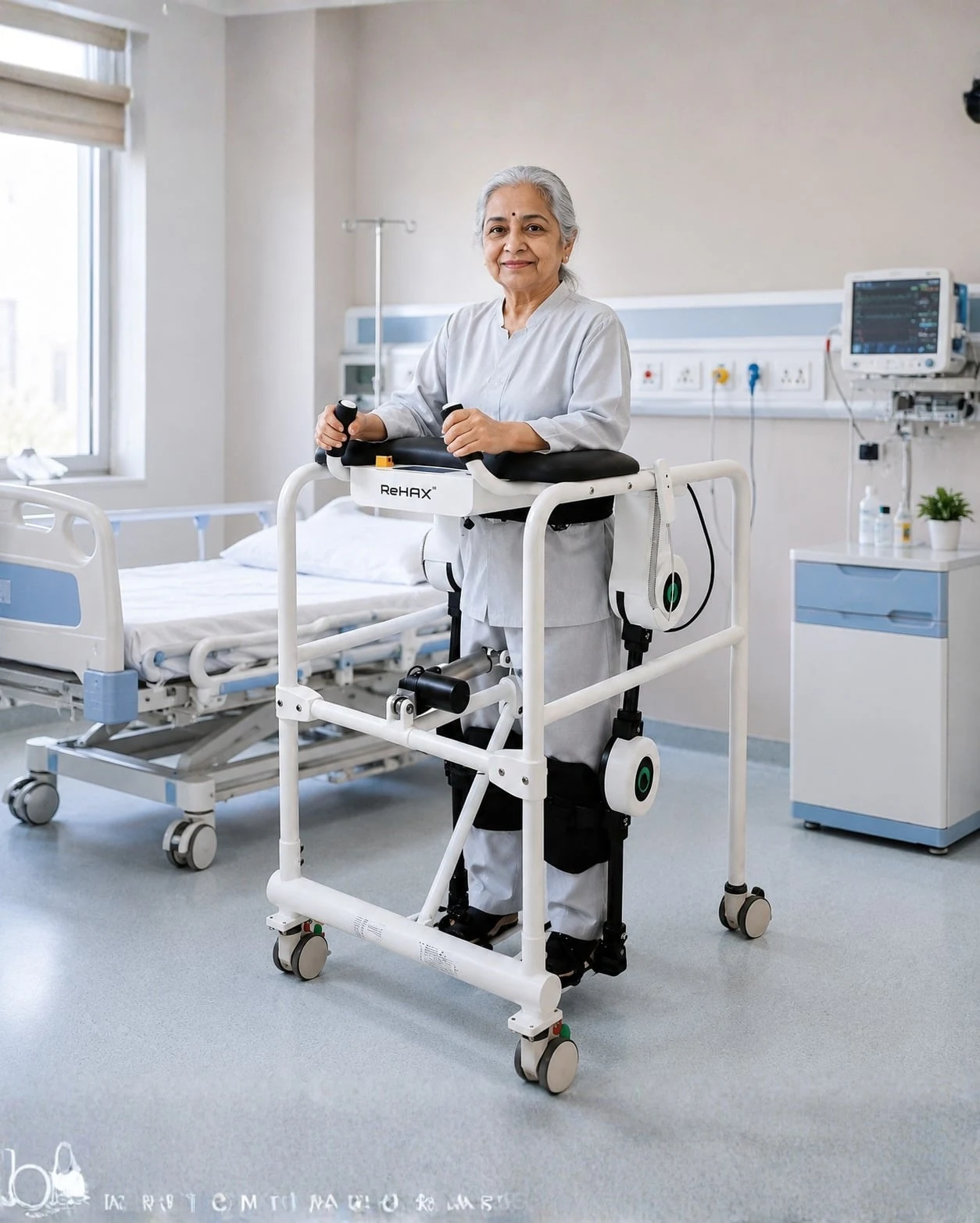
Ceiling rails are used by almost every walking and transfer session, so their utilisation is very high. Overground exoskeletons such as Robo Walker have longer fitting times but suit a wide range of stroke and spinal patients. Robotic gait stations such as ROBO MILL allow many repetitions in a short session.
Magnetic stimulation (MAG REX) sessions are short and need little set-up, so a single unit can treat many patients a day across pain, spasticity and pelvic-floor programmes.
Choose devices your team will actually use
Training matters as much as hardware. A device that only one therapist is confident with will sit idle when that person is on leave. Ask the supplier about on-site training, refresher training and clinical protocols.
Research on robot-assisted gait training also suggests that patient factors such as cognition and leg strength affect who benefits. Use that knowledge to assign the right patients to each device, which keeps results and utilisation high.
Before you decide
- Estimate sessions per day including set-up time
- Estimate the share of patients suited to each device
- Prefer devices used by most of your patients
- Plan staff training and backup users
- Review utilisation monthly after opening
RELEVANT REHAX EQUIPMENT
Products discussed in this article
Robo Walker
Powered lower-limb exoskeleton with a walking frame for supervised standing, stepping and overground gait practice.
Product details →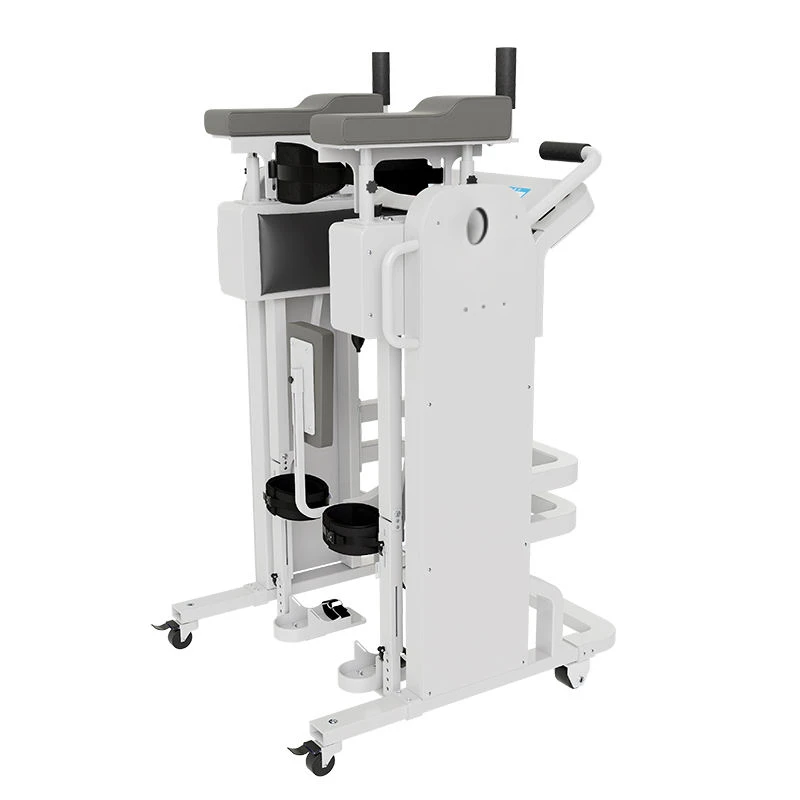
ROBO MILL
A lower-limb exoskeleton system for guided leg movement, repetitive overground walking and targeted left- or right-leg rehabilitation.
Product details →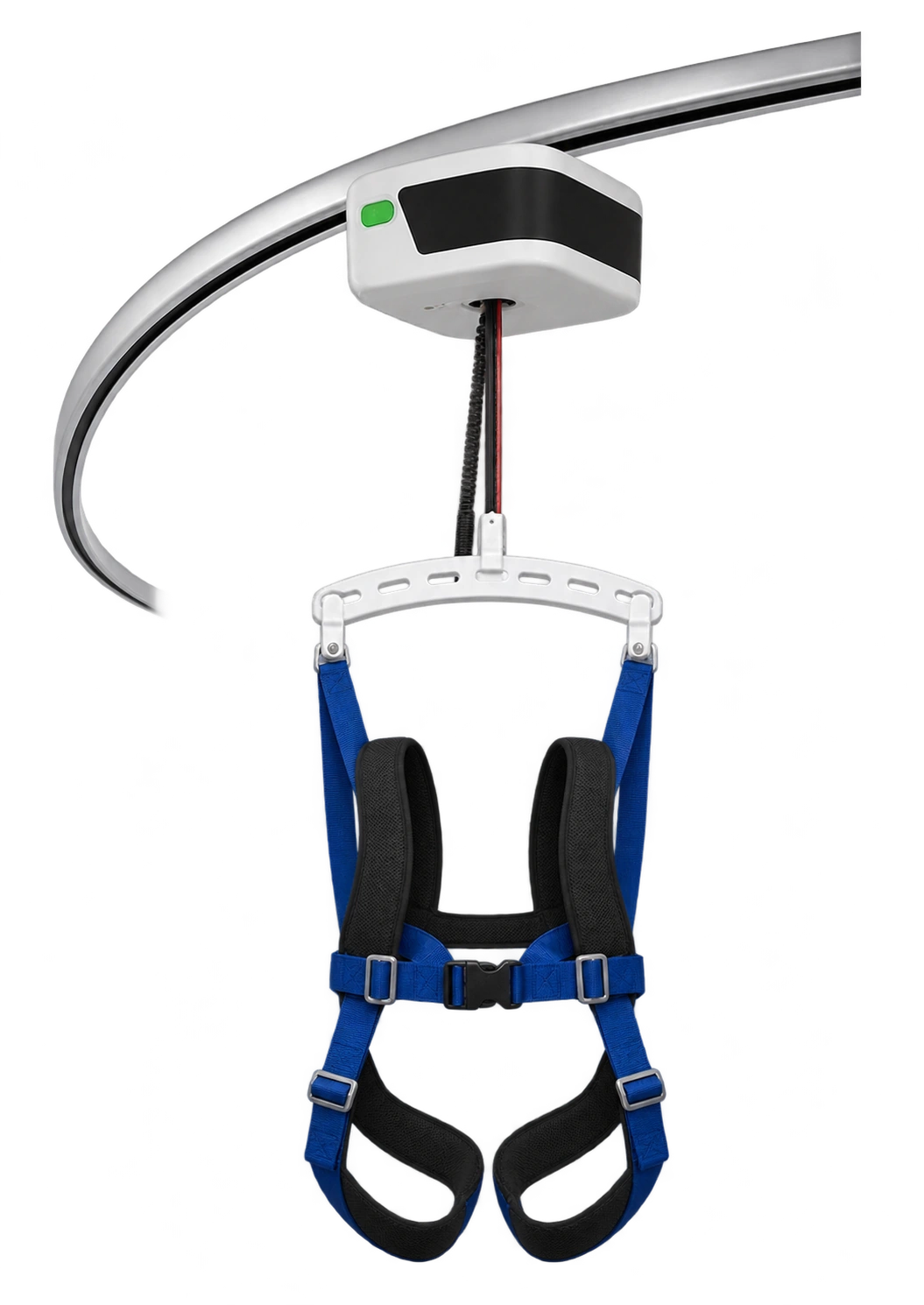
ZEVYA
Overhead body-weight support for gait, balance and functional mobility, with ceiling-track planning and five model options for adult and paediatric rehabilitation.
Product details →
MAG REX
Peripheral magnetic stimulation system. Ask for the model specifications, intended uses and a supervised demonstration.
Product details →Questions & answers
How do I calculate patients per day for a rehab device?
Divide working hours by session time plus set-up time, then apply a realistic booking rate. Include fitting and change-over time, which is often underestimated.
Which rehab equipment has the highest utilisation?
Items most patients use, such as ceiling body-weight support, cycles and short-session devices like magnetic stimulation, are usually the busiest.
References
Check the original population, methods and follow-up before applying a finding. These sources do not establish that a ReHAX product was used unless the study identifies it.
- Trial analysisWho may benefit from robot-assisted gait training with an exoskeleton in subacute stroke patients? A prespecified analysis ↗
Secondary analysis of a multicentre RCT with one wearable exoskeleton; predictors may differ for other devices.
- Systematic reviewCochrane: Do electronic or robotic gait-training devices help people walk better after a stroke? ↗
Category-level evidence alongside physiotherapy; does not guarantee an individual result or validate a particular brand.
- Systematic reviewEffects of repetitive peripheral magnetic stimulation on spasticity evaluated with modified Ashworth scale/Ashworth scale in patients with spastic paralysis: a systematic review and meta-analysis ↗
Eight studies, 297 participants; mixed conditions and protocols. Not a MAG REX trial.