Magnetic stimulation
TMS and rTMS: uses, stroke evidence and safety
TMS uses magnetic pulses to stimulate the brain. The indication, target and protocol matter, so a treatment schedule should come from a qualified specialist rather than a generic frequency chart.
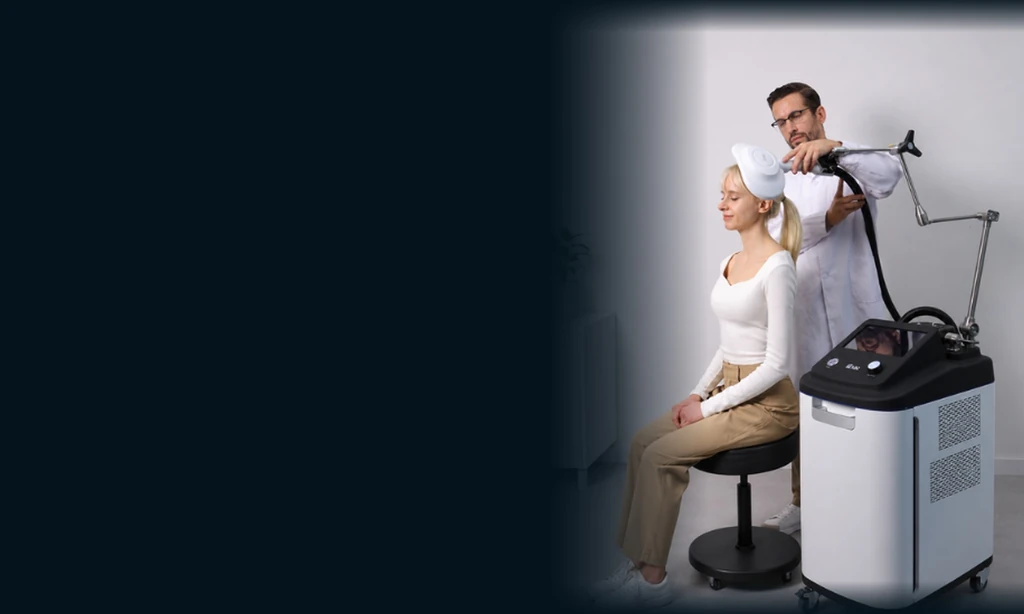
TMS, rTMS and tDCS are different
TMS induces electric fields in the brain with magnetic pulses. rTMS repeats those pulses; theta-burst stimulation uses a patterned sequence. tDCS passes electrical current through scalp electrodes.
Non-invasive describes the absence of a surgical implant. It does not mean that every patient is suitable or that treatment can be delivered without screening and supervision.
Match the evidence to the intended outcome
The Indian neuropsychiatric guideline addresses particular psychiatric uses. It cannot by itself substantiate motor recovery after stroke or spinal cord injury.
For a neurological study, identify the symptom being treated, time since injury, target, comparator and follow-up. Improvement in one impairment measure should not be presented as a cure or proof of independent recovery.
Why there is no single correct frequency
Frequency is one part of a protocol. Intensity, brain target, coil, pulse pattern and session design also matter. A daily programme and an accelerated programme are not interchangeable.
The 2021 expert safety guidance covers screening, training and risk management. A treating specialist must choose the protocol and assess seizure-related risks, implant concerns and other precautions.
Planning a MAG REX-T service
Review the model’s intended uses and supporting documentation with the clinical lead. Agree who prescribes treatment, who operates the system and how the service responds to an adverse event.
Include operator training, hearing protection, coil management and maintenance in the purchase discussion. A general TMS paper is separate from a clinical evaluation of MAG REX-T.
Before you decide
- Specialist clinical lead and trained operators
- Indication-specific evidence and intended use
- Formal screening and emergency arrangements
- Protocol documentation and outcome measures
- Maintenance, coil and service costs
RELEVANT REHAX EQUIPMENT
Products discussed in this article
MAG REX-T
Transcranial magnetic stimulation system for specialist services. Review the intended use and training requirements with our team.
Product details →Questions & answers
Can TMS be used for stroke or spinal cord injury?
Research exists for particular neurological outcomes, but suitability and evidence differ by indication and protocol. A specialist must evaluate the individual case and applicable intended use.
How many sessions or what frequency should be used?
There is no universal answer suitable for online self-selection. The treating specialist determines the protocol after assessment and screening.
References
Check the original population, methods and follow-up before applying a finding. These sources do not establish that a ReHAX product was used unless the study identifies it.
- Expert safety guidanceSafety and recommendations for TMS use in healthy subjects and patient populations: Expert Guidelines ↗
Safety framework; not an individual treatment prescription or proof for every indication.
- Clinical guidelineClinical Practice Guidelines for the Therapeutic Use of Repetitive Transcranial Magnetic Stimulation in Neuropsychiatric Disorders ↗
Indian psychiatric guidance; does not establish a general motor-recovery claim for stroke or spinal cord injury.
