Gait & robotics
Paediatric robotic gait training for cerebral palsy
Children need a device that fits their size and a programme that fits their goals. Adult robotics evidence cannot establish outcomes for a paediatric service.
Begin with the child’s daily activities
The child, family and treating team should agree what progress would mean. Walking distance, participation and easier daily care are different goals. Cerebral palsy also spans a wide range of functional abilities.
Age alone is not enough to select a robot. Assess fit, alignment, movement limits, tolerance and the assistance needed.
Separate a feasibility test from a treatment result
Hunt and colleagues reviewed robotic exoskeletons for children with cerebral palsy. The wider literature also includes technical studies, case reports and protocols. A protocol describes planned research; a case report describes an individual experience.
Being able to wear and operate a device does not establish an improvement in daily mobility. Look for appropriate comparison groups, functional outcomes, follow-up and reporting of difficulties.
Compare ROBOKID and ROBOMILL KIDS
Request current specifications for each model’s assistance method, sizing and intended users. Check entry, exit, comfort, supervision and stopping procedures during an appropriate demonstration.
Plan reassessment as children grow. Connect device practice to activities outside the machine, and measure whether changes transfer to those activities. A set number of sessions cannot guarantee independent walking.
Before you decide
- Child- and family-centred goals
- Paediatric evidence and study design
- Sizing, alignment and growth considerations
- Supervised fitting and emergency procedures
- Functional outcomes beyond the machine
RELEVANT REHAX EQUIPMENT
Products discussed in this article
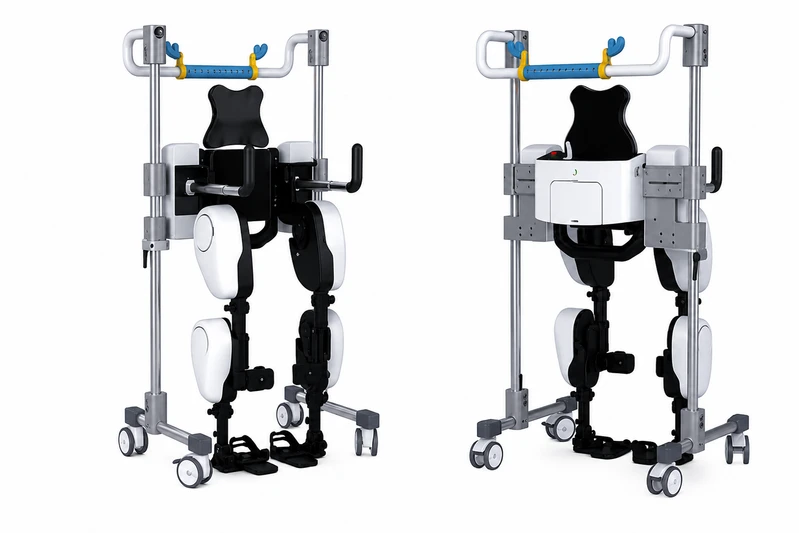
ROBOKID
An adjustable paediatric exoskeleton for controlled, repetitive gait training, with robotic assistance and replaceable-battery operation.
Product details →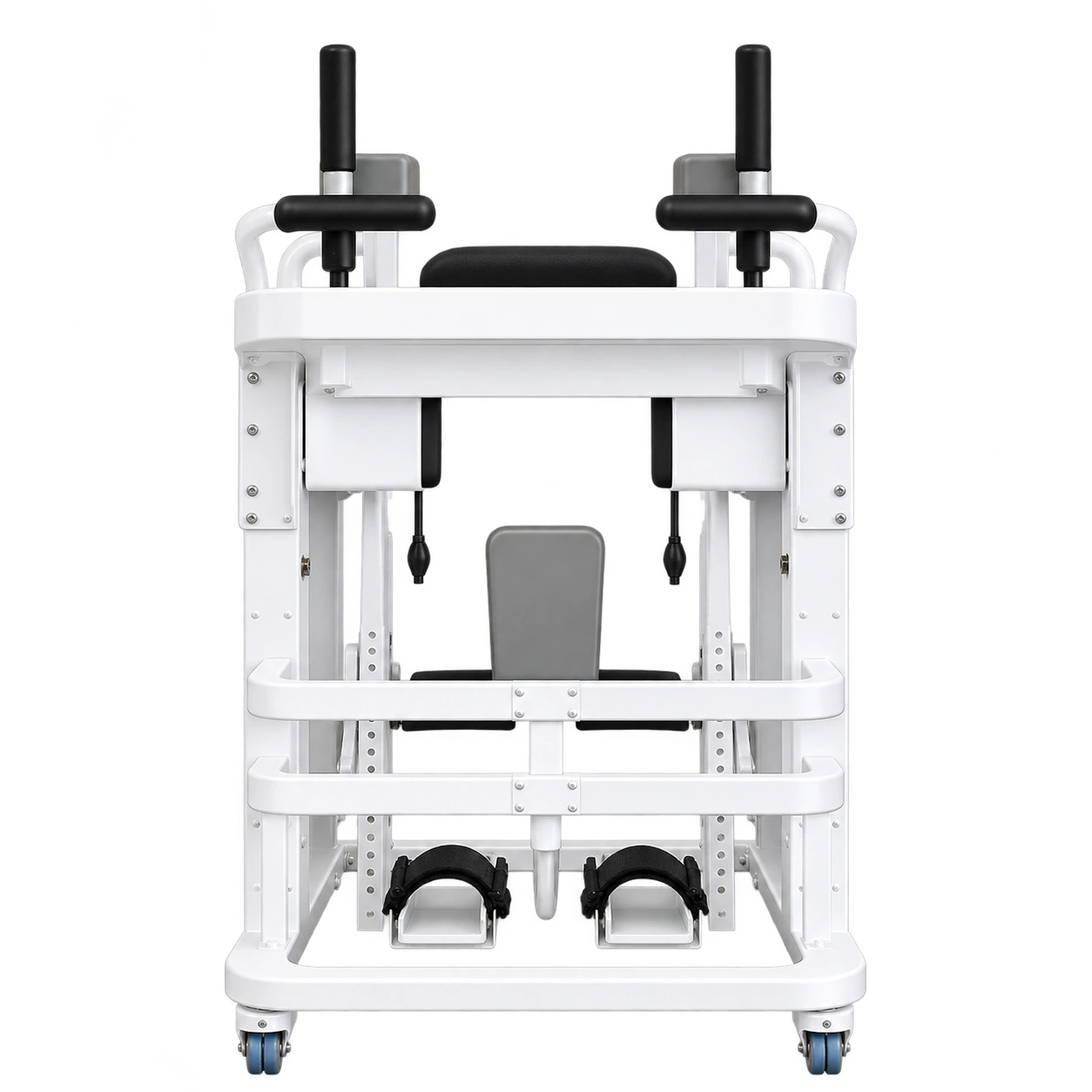
ROBO MILL KIDS
A paediatric lower-limb robotic trainer for repetitive, task-oriented overground walking and targeted leg movement practice.
Product details →Questions & answers
Can an adult robotic gait study be used for children?
It may provide background, but it does not establish effectiveness or suitability for children. Relevant paediatric evidence and assessment are needed.
Does a case report prove a paediatric robot works?
A case report describes an individual experience. It cannot establish comparative effectiveness or predict outcomes for other children.
References
Check the original population, methods and follow-up before applying a finding. These sources do not establish that a ReHAX product was used unless the study identifies it.
- ReviewEffectiveness of robotic exoskeletons for improving gait in children with cerebral palsy: A systematic review ↗
Paediatric research context; exact populations, devices and study limitations must be checked in the original.