Buying guides
Rehabilitation technology myths, checked against the evidence
Higher tesla is better, robots replace therapists, ice always helps: common rehab equipment myths, and what research and guidance actually say.
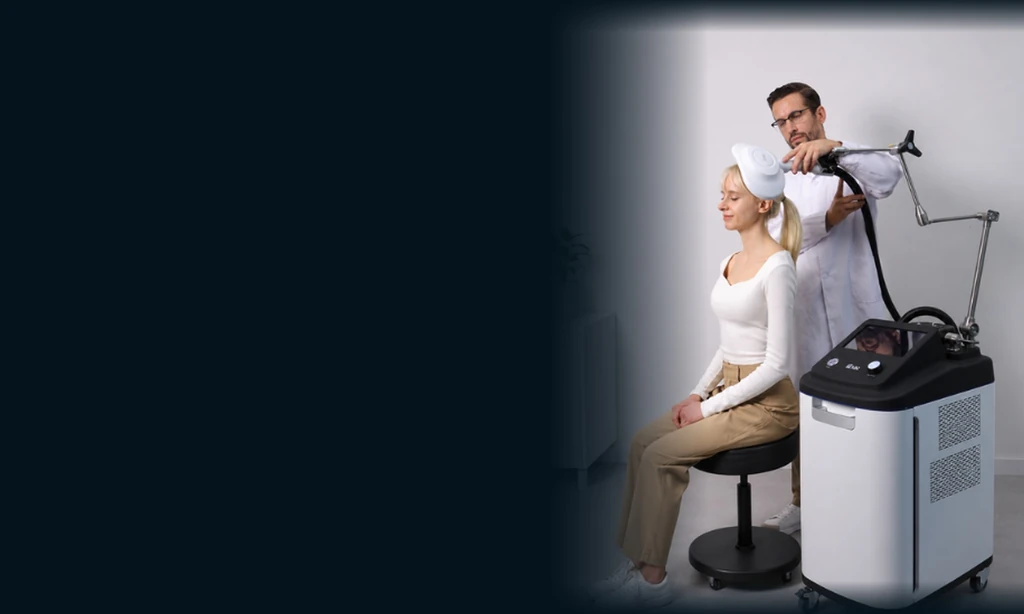
Myth: a higher tesla number means a better magnetic stimulator
Field strength is only one variable. Coil shape, pulse pattern, frequency, cooling, session dose and patient selection all influence what tissue is stimulated and for how long. Two devices with the same peak figure can behave differently in clinic.
Compare systems on the full specification and on research for the condition you treat. Our guide to tesla, depth and session frequency explains these terms in more detail.
Myth: TMS is like electroconvulsive therapy
Transcranial magnetic stimulation does not aim to induce a seizure and is delivered to an awake patient without anaesthesia. Expert safety guidelines describe screening, dosing limits and monitoring because rare adverse events, including seizures, can occur.
TMS is a specialist treatment that requires trained staff, patient screening and an evidence-based protocol. It is not a general wellness device.
Myth: a gait robot replaces the therapist
Robotic and electromechanical gait training can increase the number of steps a patient practises. Cochrane reviewers found that people after stroke who received it alongside physiotherapy were more likely to walk independently, but therapists still assess, set goals, supervise and progress the programme.
Plan staffing, training and session scheduling with the robot, not instead of them.
Myth: anti-gravity treadmills are only for athletes
Differential-air-pressure treadmills are widely associated with sport, yet research also includes people after stroke and orthopaedic surgery. Reducing body weight lets some patients walk earlier and more safely while load is increased step by step.
Suitability still depends on the patient’s ability to stand and step in the chamber, which a clinician assesses.
Myths about ice, heat and “one device for everything”
Cold is generally used for recent injuries and swelling and heat for stiffness, but neither suits every patient, and both need skin checks. No single modality treats every condition; clinics get better value by matching equipment to the patients they actually see.
Be wary of any claim that a device works for everything or guarantees results. Ask which studies support it, in which population and compared with what.
Before you decide
- Ask which study population supports each claim
- Compare full specifications, not one headline number
- Plan therapist time for every technology you buy
- Check contraindications and screening requirements
RELEVANT REHAX EQUIPMENT
Products discussed in this article
MAG REX-T
Transcranial magnetic stimulation system for specialist services. Review the intended use and training requirements with our team.
Product details →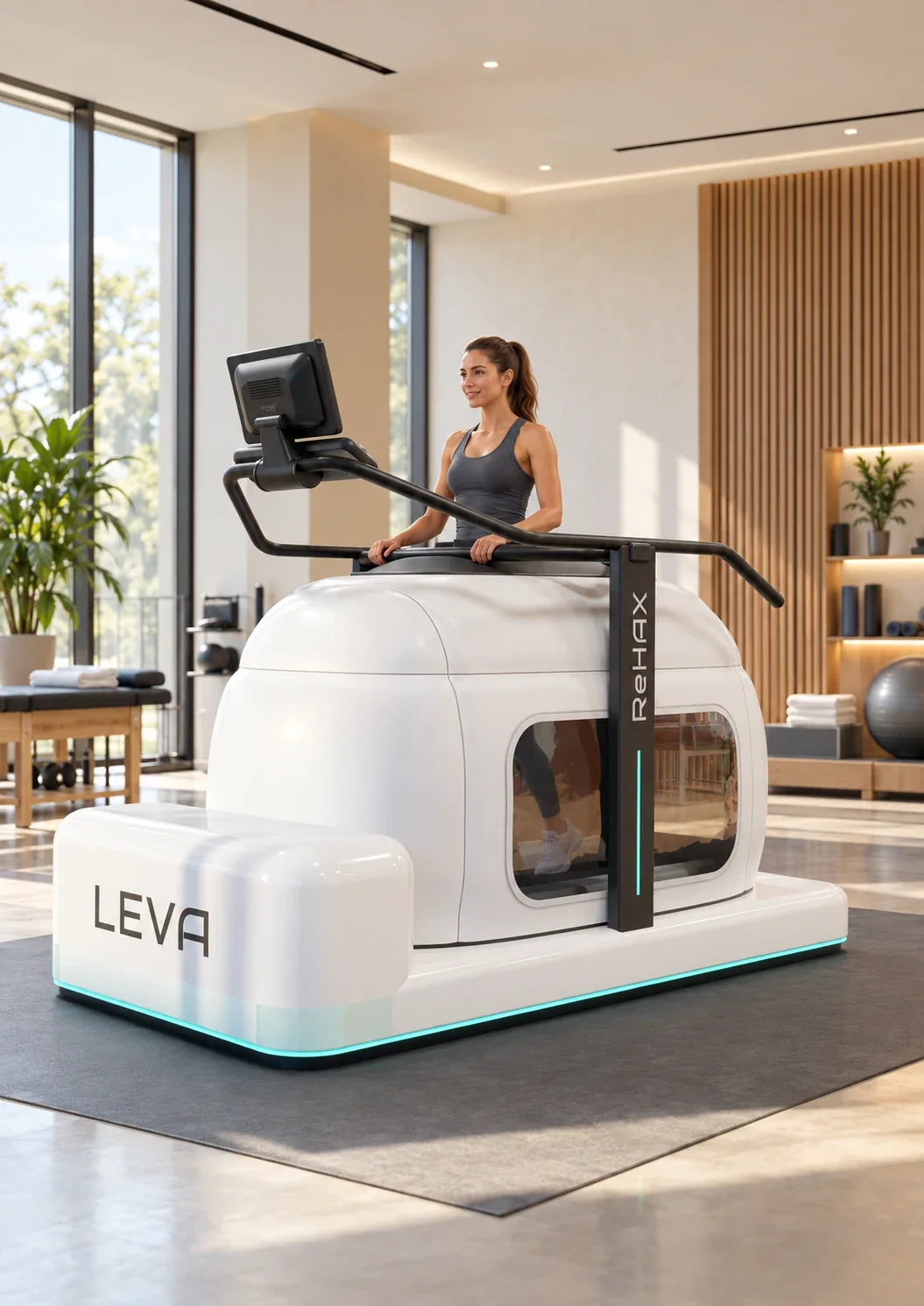
LEVA · LEVA Pro · Froude
Differential-air-pressure treadmills for supported walking and running. Compare the three models on the LEVA product page.
Product details →Questions & answers
Is a more expensive device always more effective?
Not necessarily. Effectiveness depends on the treatment, the patient and the protocol. Compare evidence, features, training and service rather than price alone.
Can I rely on manufacturer research?
Use it as a starting point, then check independent peer-reviewed studies and clinical guidelines for the specific condition.
References
Check the original population, methods and follow-up before applying a finding. These sources do not establish that a ReHAX product was used unless the study identifies it.
- Expert safety guidanceSafety and recommendations for TMS use in healthy subjects and patient populations: Expert Guidelines ↗
Safety framework; not an individual treatment prescription or proof for every indication.
- Systematic reviewCochrane: Do electronic or robotic gait-training devices help people walk better after a stroke? ↗
Category-level evidence alongside physiotherapy; does not guarantee an individual result or validate a particular brand.
- Randomised studyEffect of Antigravity Treadmill Gait Training on Gait Function and Fall Risk in Stroke Patients ↗
30 participants with stroke; not a trial of LEVA models.
- Patient informationSherwood Forest Hospitals NHS: Heat and ice ↗
General guidance; follow the treating team and device instructions for a particular patient.
