Centre planning
Equipment for a spinal cord injury rehabilitation centre
Spinal cord injury rehabilitation needs safe transfers, standing, supported walking and long-term conditioning. This guide lists the equipment and why each item matters.
Plan for the level and completeness of injury
Patients with spinal cord injury range from people with a complete high-level injury who need full assistance to people with an incomplete injury who may walk again. A centre that admits both needs equipment for full support and equipment that challenges a patient who is improving.
Agree admission criteria with your medical team first: injury level, time since injury, ventilation needs, pressure-care risk and bladder and bowel management. These shape staffing and space as much as equipment.
Transfers, standing and pressure care
Ceiling tracks or hoists are essential, because many patients cannot transfer on their own. Standing frames and sit-to-stand devices (STAND-EZ) let patients load their legs and change position, which matters for bone health, circulation and confidence.
Add pressure-relieving mattresses and cushions, adjustable plinths and a wheelchair skills area. These are less exciting than robotics, but they decide whether patients can safely attend therapy every day.
Walking and exoskeleton training
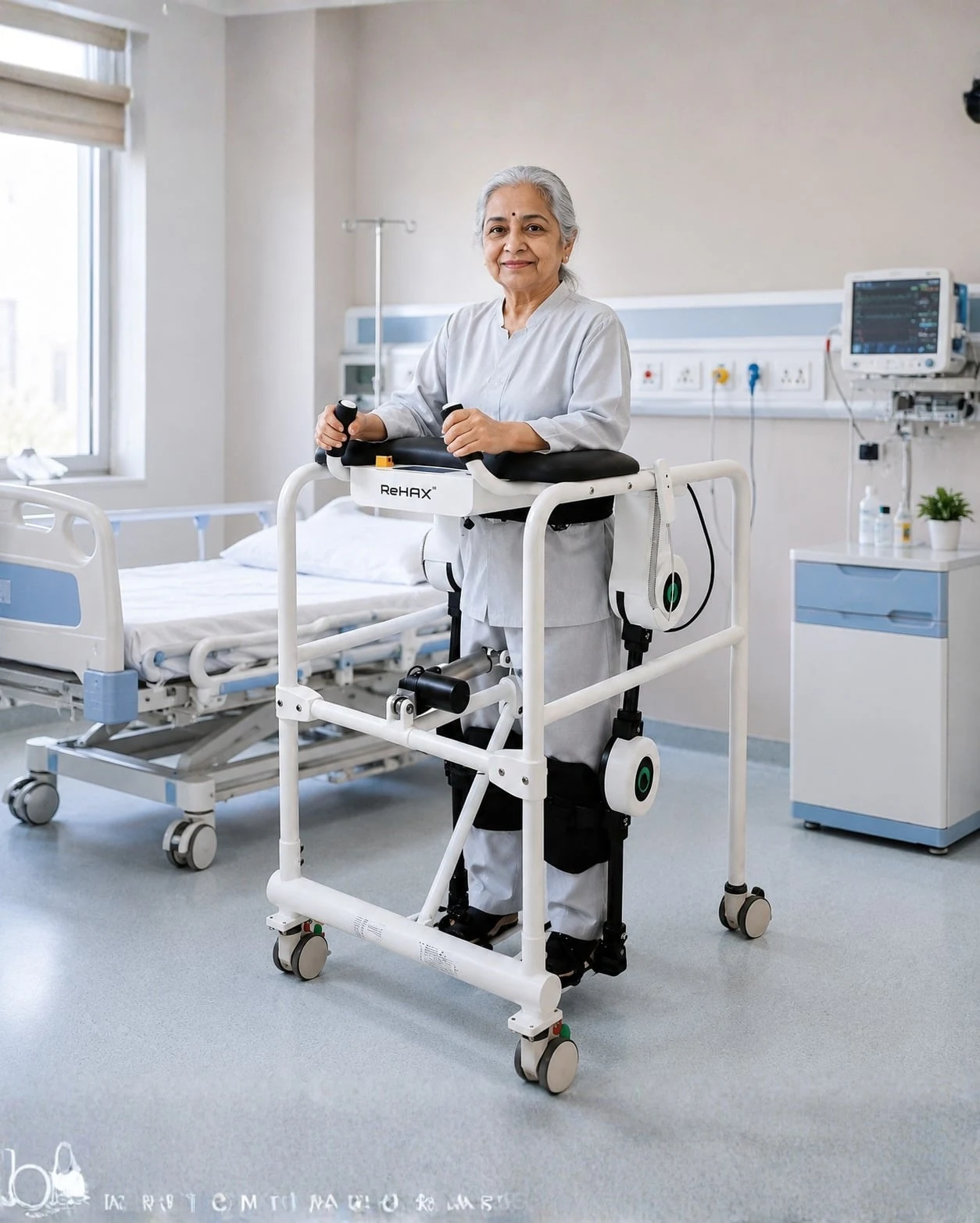
Overground exoskeletons such as Robo Walker let suitable patients stand and step with a therapist. Ceiling body-weight support (ZEVYA) allows walking practice with less fear of falling. Treadmill training with harness support adds repetition for patients with incomplete injuries.
Exoskeleton suitability depends on height, weight, joint range, spasticity and bone health. Ask suppliers for the fitting limits and contraindications before you count on a device for a particular patient group.
Neuromodulation, conditioning and the long term
Research is looking at transcranial magnetic stimulation for motor function and neuropathic pain after spinal cord injury, with mixed but encouraging results. Peripheral stimulation is used to activate muscles and manage spasticity. These are specialist services and need trained staff and protocols.
People with spinal cord injury need lifelong conditioning. Arm and leg cycles, upper-body strength equipment and a clear route from inpatient care to outpatient follow-up keep patients returning to your centre for years, not weeks.
Before you decide
- Set admission criteria by injury level and medical needs
- Install ceiling tracks or hoists in therapy and ward areas
- Provide standing, pressure-care and wheelchair-skills equipment
- Check exoskeleton fitting limits against your patient group
- Plan a long-term outpatient and conditioning programme
RELEVANT REHAX EQUIPMENT
Products discussed in this article
Robo Walker
Powered lower-limb exoskeleton with a walking frame for supervised standing, stepping and overground gait practice.
Product details →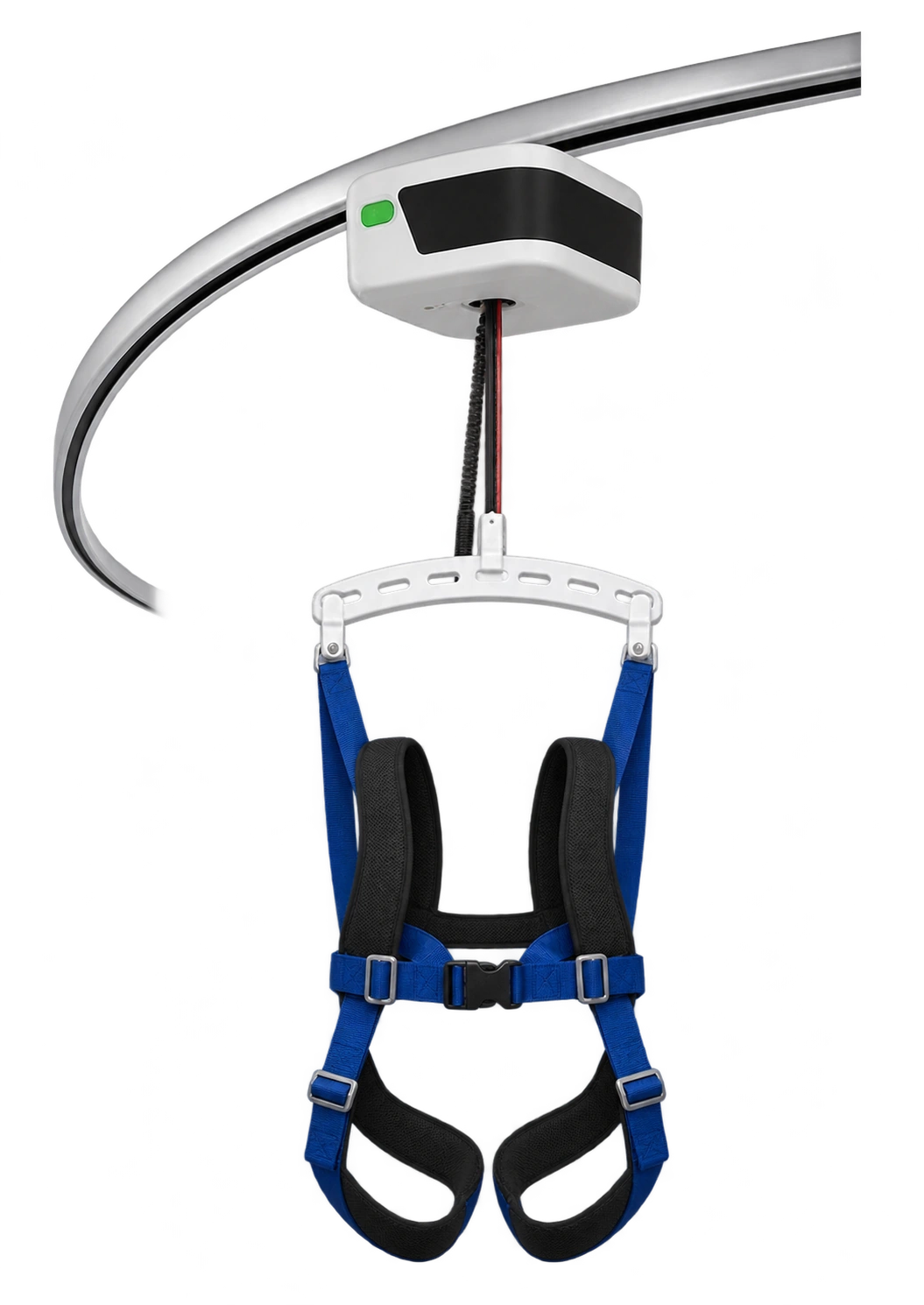
ZEVYA
Overhead body-weight support for gait, balance and functional mobility, with ceiling-track planning and five model options for adult and paediatric rehabilitation.
Product details →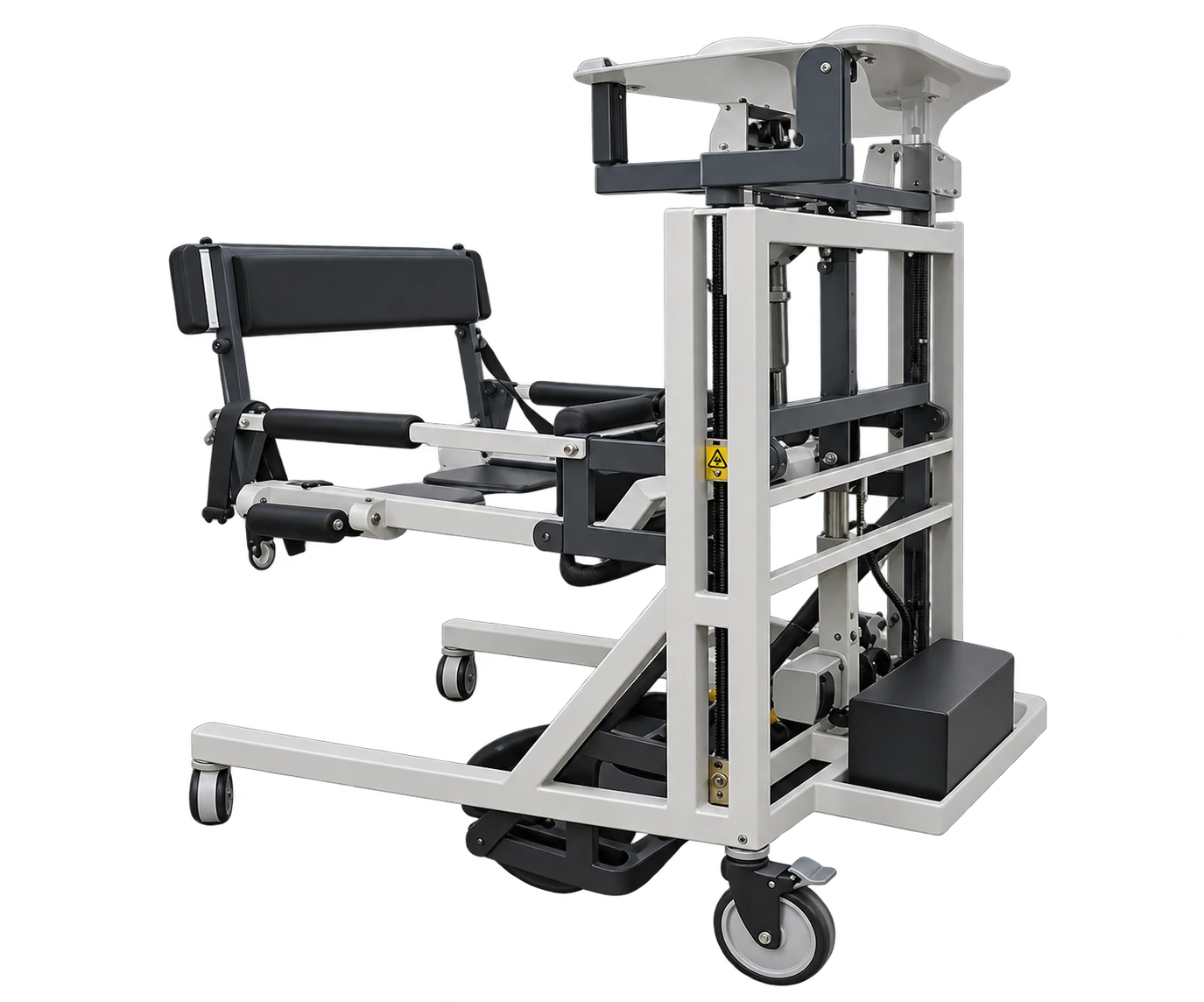
STAND-EZ
Standing and transfer system for progressive mobilisation, therapeutic exercise and clinical positioning.
Product details →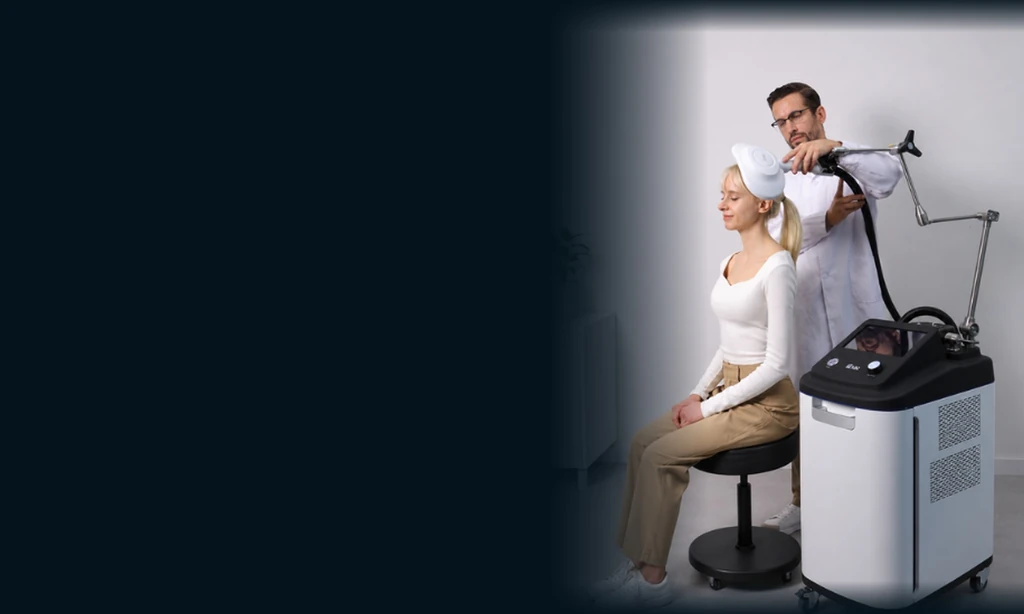
MAG REX-T
Transcranial magnetic stimulation system for specialist services. Review the intended use and training requirements with our team.
Product details →Questions & answers
Which equipment is used in spinal cord injury rehabilitation?
Common equipment includes hoists and ceiling tracks, standing frames, sit-to-stand trainers, body-weight support systems, exoskeletons, treadmill training, functional stimulation, cycles and wheelchair-skills areas.
Can people with complete spinal cord injury use an exoskeleton?
Some can, for supervised standing and stepping, depending on injury level, fitting limits and medical clearance. A clinician must assess each person.
References
Check the original population, methods and follow-up before applying a finding. These sources do not establish that a ReHAX product was used unless the study identifies it.
- Meta-analysisEfficacy of Repetitive Transcranial Magnetic Stimulation on Lower Extremity Motor Function in Spinal Cord Injury: A Meta-Analysis of Randomized Controlled Trials ↗
15 trials, 260 participants. Improvements in selected strength and spasticity measures did not establish improved walking outcomes.
- Systematic reviewEffects of repetitive transcranial magnetic stimulation on neuropathic pain in patients with spinal cord injury ↗
Seven trials, 159 participants; pain findings should not be extended to other neurological outcomes.
- WHO fact sheetWHO fact sheet: Rehabilitation ↗
Global need and health-system context; not India-specific market or revenue data.
- Small clinical studyStudy on the Usefulness of Sit to Stand Training in Self-directed Treatment of Stroke Patients ↗
Task-specific stroke training; not STAND-EZ product validation.