Assessment & mobility
In-bed cycling in the ICU: evidence and service planning
In-bed cycling is an option for selected patients under clinical supervision. An ICU service needs screening, monitoring and staff coordination before a device can be introduced.
Identify the cycling method
Passive, active and electrically assisted cycling are different interventions. Patient position matters: an in-bed system and a seated cycle are not automatically interchangeable.
For SUPA and REVA, confirm operating modes, intended positions, compatibility and patient limits in the current model instructions.
What the ICU review found
The review linked below included 32 studies and 3,052 adults. It reported benefits for some recovery measures with cycling added to rehabilitation. It found no significant difference for mortality, muscle strength, ICU-acquired weakness or quality of life.
Programmes and populations differed. The findings cannot support a promise to prevent weakness or shorten every ICU admission, and they are not a SUPA or REVA product trial.
Agree how the ICU will use it
The ICU team should set eligibility, monitoring, deferral and stopping criteria. Check access to lines and drains, positioning, device stability and the infection-prevention process.
Record completed sessions, interruptions, adverse events and staff time during introduction. Review the actual workflow against the purchasing assumptions and use outcome measures suited to the patients.
Before you decide
- Exact cycling mode and patient position
- ICU-led eligibility and monitoring process
- Line access and infection-prevention review
- Staff coordination and documented interruptions
- Training, compatibility and maintenance
RELEVANT REHAX EQUIPMENT
Products discussed in this article
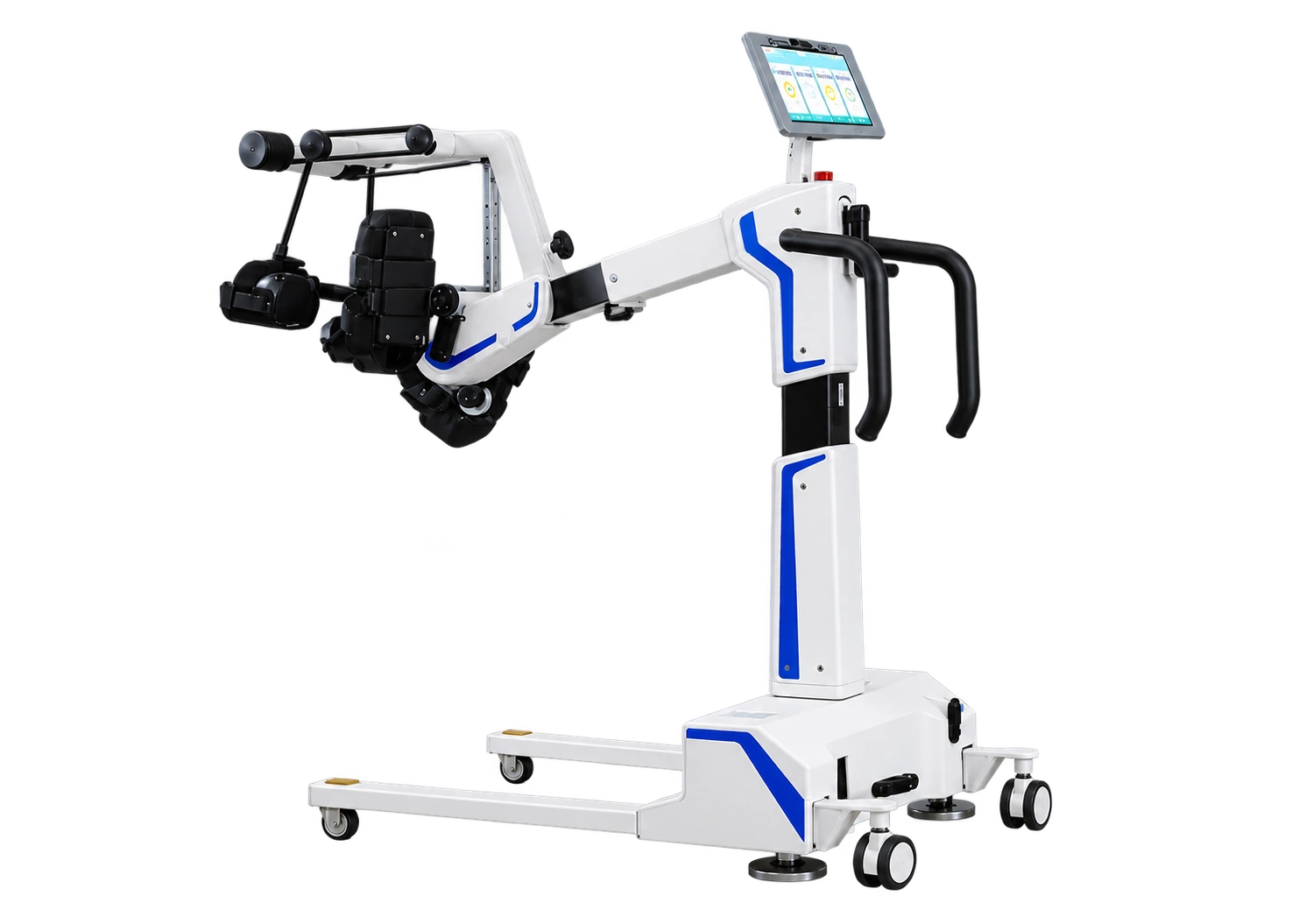
SUPA
Motor-assisted lower-limb cycling for bedside and supine rehabilitation, with an adjustable support arm, adaptive resistance and patient feedback.
Product details →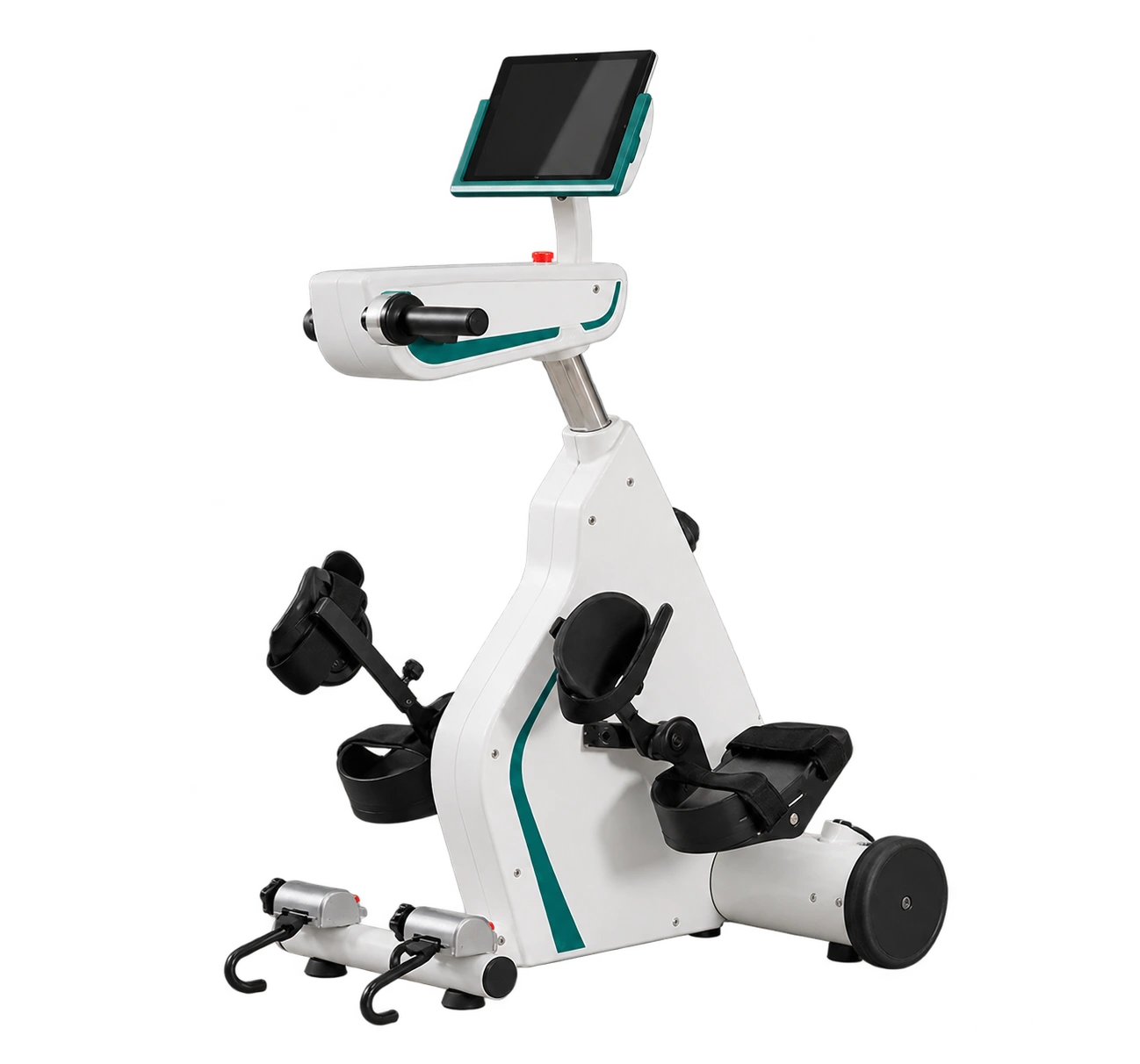
REVA
Seated active-passive cycling with simultaneous arm and leg exercise for coordinated whole-body movement, endurance and physical reconditioning.
Product details →Questions & answers
Does in-bed cycling prevent all ICU muscle weakness?
The cited review does not establish that claim. Its findings differ by outcome, and individual suitability requires assessment.
Can a seated cycle be assumed suitable for ICU beds?
No. Confirm the exact intended use, positioning, compatibility and instructions for the model.
References
Check the original population, methods and follow-up before applying a finding. These sources do not establish that a ReHAX product was used unless the study identifies it.
- Systematic reviewEffects of in-bed cycling in critically ill adults: a systematic review and meta-analysis ↗
Findings differ by outcome; does not establish a mortality or muscle-strength benefit or validate SUPA/REVA.